How to Create a Portfolio During Your Cosmetic Tattoo Training
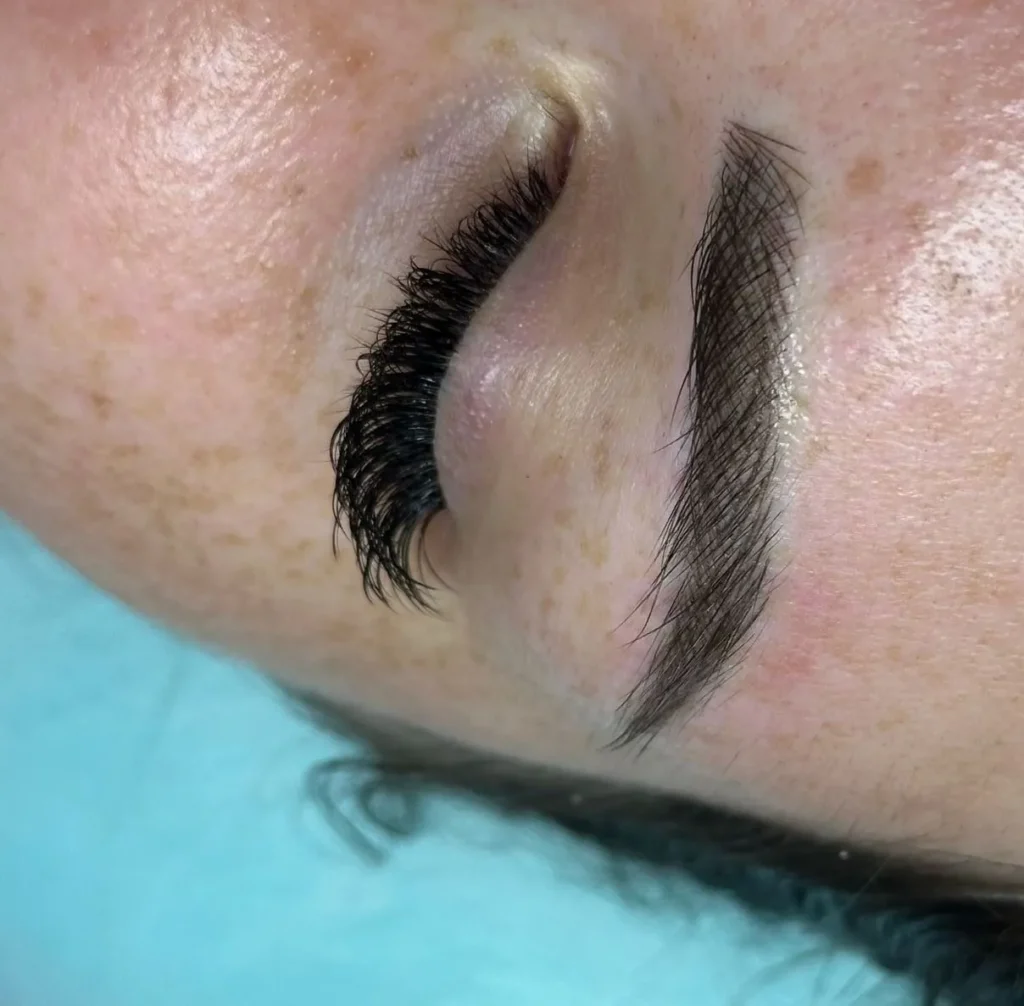
Cosmetic tattoo artists must know the importance of covering all angles in their portfolio! As the world of cosmetic tattooing continues to grow, a detailed portfolio is one of the examples that can sell you to prospective customers. In this article, we will provide steps on preparing an interesting portfolio even as you train in cosmetic tattoos, paying attention to how important it is to highlight tattooing and different forms and techniques.
Cosmetic Tattoo Industry

The cosmetic tattooing industry has become the seventh-largest sector in the whole beauty industry. Cosmetic tattooing encompasses services such as eyeliner tattooing, brow tattooing, and lip colour tattoo, each requiring a high level of artistic talent and technical skills. Rising concerns about a look that is barely made up coupled with demands for less time and upkeep have led to increased need for these services.
The Popularity of Cosmetic Tattoo Nowadays

As people are always looking for ways to improve their appearance, the cosmetic tattooing service has become more popular. The increasing preference towards more natural-looking results coupled with a busy, active lifestyle is what makes cosmetic tattoos so widely acknowledged. A good portfolio that shows your cosmetic tattooing abilities and willingness to meet client’s needs can easily win you clients.
Who is a Cosmetic Tattoo Artist?

Cosmetic Tattoo Artists are professionals who create semi-permanent tattoos that improve the appearance of a client. Knowledge of colour theory, brow mapping, and pigment selection is required to create good results. Proper hygienic standards, safety procedures and infection control must be exercised by cosmetic tattooists to protect their clients.
Register for a High-Quality Cosmetic Tattoo Course

For one to properly develop a competency in cosmetic tattoo artistry, one needs to register for a high-quality course. These courses usually provide a certified training course that elaborates on what a cosmetic tattoo artist does and advanced techniques for cosmetic tattooing. A good cosmetic tattoo courses should also give business management working modules, including mentorships for a combination of art and business skills.
Obtain Hands-On Experience and work On Your Portfolio

All proficiencies are essentially practical and so a reasonable experience is important in strengthening a portfolio. One can begin by doing some cosmetic tattooing procedures including eyebrow tattooing, eyeliner tattooing, lip tinting and their pictures can be used as portfolio.
Photo Quality Matters
The way how clients see your portfolio can be influenced by the choices of the pictures. The photography guidelines should ensure that all images taken of tattoos are of maximum clarity and have daylight effect.
Showcase a Variety of Work
A cosmetic tattoo artist’s portfolio must show versatility, therefore it is important to include a range of work. This should consist of the various techniques, styles, and types of tattoos. Such variety not only displays an array of competencies that the artist has but also indicates to customers how the artist aims to serve their needs.
Document Your Progress
Including documentation of the work done is one of the greatest opportunities to show the improvisation of one’s skills. Before-and-after photos, as well as images of earlier work compared to recent projects, relate to one’s development and enhancement skills.
Get Permission
Clients’ images should only be used in portfolios if a letter of consent allowing the same is acquired prior. This prevents violation of client privacy and ensures that the photos can be used legally for promotional purposes. A consent form should clarify how their images shall be utilized and how they will be safeguarded.
Essential Components of a Portfolio
A well-rounded portfolio should include several critical components to showcase your abilities and attract potential clients effectively.
| Component | Description |
|---|---|
| High-Quality Photos | Clear, high-resolution images of your work that highlight details and color accuracy. |
| Variety of Work | Examples of different styles and techniques to show versatility. |
| Progress Documentation | Records of your development over time, including before-and-after photos. |
| Client Permissions | Written consent from clients to include their images in your portfolio. |
| Client Testimonials | Positive feedback from clients that reflects your professionalism and skill. |
| Professional Feedback | Reviews or critiques from industry experts or mentors. |
| Regular Updates | Frequent additions of new work to keep the portfolio current and relevant. |
Conclusion
The techniques presented within this article will guide you and allow you to focus on the most essential features of the portfolio, showcasing your creativity, technical capabilities, and the development of customer relationships. A competently developed portfolio forms an important part of one’s application in the competitive field of cosmetic tattooing, ensuring a successful career as a certified cosmetic tattoo artist.
FAQ
What should be included in a cosmetic tattoo portfolio?
Your cosmetic tattoo portfolio must include clear, well-captured images of the works done, adequate coverage of different techniques used in tattooing, documentation of the entire process for your improvement, incorporation of your past clients and continuous additions.
How do I ask the client to use the pictures in my portfolio?
Before you include any pictures in your portfolio that you will use of your clients, first obtain their written permission.
What is the benefit of enrolling in a top cosmetic tattoo course?
This type of course equips you with the necessary fundamental basics of cosmetic tattooing, the understanding of various depths of cosmetic tattooing, and practical engagement with the learning.
I need to show different types of works in my portfolio, how should I do that?
Show the client what other types of cosmetic tattooing you have done and in what styles. Show different brow shapes, hair stroke patterns, and how you set the treatment plan.
What are the advantages of getting a second opinion on my portfolio?
Feedback allows you to work on your portfolio and change, improve your tattooing skills as well as make sure your presentation corresponds with the standard.