What can i take for pain after microblading
What is Microblading?
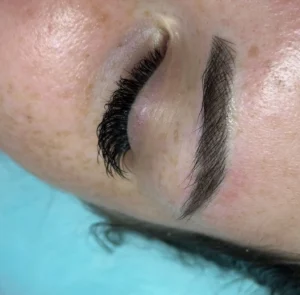
Microblading is a semi-permanent tattooing technique that’s used to create fuller, more natural-looking eyebrows. Unlike traditional tattoos, this process employs a specialized handheld tool to insert pigment into the skin, emulating the appearance of individual hair strokes. The beauty of microblading is its ability to fill in sparse brows or enhance existing ones without giving an overly done or artificial appearance. Though it’s hailed for its realistic results, the procedure does involve making tiny cuts into the skin, which understandably leads to some degree of discomfort or pain for many individuals. As with any cosmetic procedure, it’s paramount to understand both the procedure itself and the aftercare to ensure a seamless recovery and optimal results.
Why is post-procedure care essential?
Microblading, despite its semi-permanent nature, still involves breaking the skin’s surface. Post-procedure care is vital not only to prevent potential infections but also to ensure that the final results are as desired. When the skin is not appropriately cared for after the procedure, there’s a risk of the pigment not setting well, leading to uneven or patchy results. Moreover, improper care can exacerbate discomfort, leading to longer healing times and increased pain. Being equipped with the right knowledge on how to handle the post-microblading phase can make the entire experience smoother and more bearable. Plus, who wouldn’t want their freshly bladed brows to look their best? Proper aftercare ensures that the investment you’ve made in your brows pays off.

Common Symptoms After Microblading
| Topic | Details |
|---|---|
Temporary redness and swelling | It’s common to observe some redness around the freshly microbladed area. This is a natural reaction of the skin after undergoing any procedure that causes minor trauma. Alongside this, you may notice slight swelling. These symptoms are temporary and typically subside within a few hours to a couple of days. Cold compresses can be beneficial in reducing both redness and swelling, but always remember to use a barrier, like a cloth or tissue, so the cold doesn’t directly contact the treated area. |
Mild discomfort or pain | It’s not uncommon to feel some level of pain or discomfort after the numbing cream’s effects wear off. The sensation is often described as similar to a sunburn. Over-the-counter pain relievers can be taken to manage this, but always ensure they are safe and won’t adversely affect the healing process. Regularly checking with a professional is recommended. |
Scabbing and dryness | As the microbladed area begins to heal, you might notice scabbing. This is a crucial part of the healing process, and it’s essential not to pick or scratch the scabs, as this can lead to the pigment being pulled out and possibly leaving scars. Dryness can accompany scabbing. To alleviate this, many professionals recommend specific ointments or creams. Always use as advised and avoid over-application, which can suffocate the skin and affect healing. |
Safe Pain Relief Options
Over-the-counter pain relievers
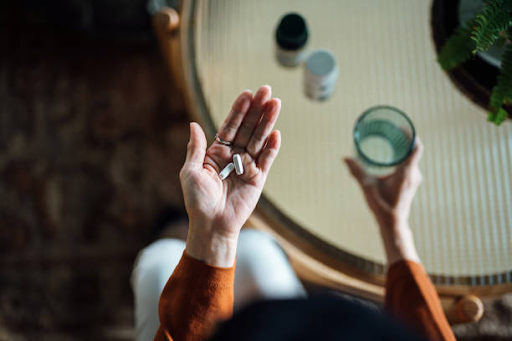
After undergoing a microblading procedure, many individuals seek out over-the-counter (OTC) pain relievers to manage the discomfort. Here’s a breakdown of some commonly recommended options:
- Ibuprofen (e.g., Advil, Motrin): This is a popular choice due to its anti-inflammatory properties, which can help reduce both pain and swelling. Ensure you’re taking the recommended dosage and always refer to the product’s label for guidance.
- Acetaminophen (e.g., Tylenol): Another option for pain management, it’s essential to monitor your intake and ensure you’re not combining it with other products containing acetaminophen to avoid potential liver damage.
- Naproxen (e.g., Aleve): Similar to ibuprofen, naproxen can help with pain and inflammation. However, it’s long-lasting, so fewer doses are needed. It’s vital to adhere to recommended dosages.
Natural remedies
For those who prefer a more holistic approach to pain management, several natural remedies can be effective post-microblading. It’s essential to remember that everyone’s body is different, so what works for one person might not necessarily work for another. Here are some methods to consider:
- Arnica gel or cream: Derived from the arnica flower, this remedy is hailed for its ability to reduce pain and swelling. It’s available at most health food stores and can be applied to the brow area to soothe discomfort.
- Cold compress: Applying a cold compress can provide instant relief. Remember to use a barrier like a cloth to ensure the cold doesn’t directly touch the skin. Avoid applying excessive pressure.
- Witch hazel: Known for its anti-inflammatory properties, witch hazel can be applied using a cotton ball to the affected area. This can help reduce both pain and redness.
Consultation with the technician
If pain persists or if you’re unsure about which pain relief method to choose, always revert to the person who knows best: your microblading technician. These professionals can provide valuable advice tailored to your specific needs and situation. They’ll be able to guide you on safe and effective pain relief options and let you know when, and if, you should seek medical attention. Remember, it’s always better to be safe than sorry.
What to Avoid
Alcohol and caffeine
Post-microblading, it’s crucial to avoid alcohol and limit caffeine intake. Both can hinder the body’s natural healing process and can lead to increased swelling. Moreover, alcohol thins the blood, which can lead to excessive bleeding and potentially affect the settling of the pigment.
Intense physical activity
For at least a week after the procedure, it’s advised to refrain from any vigorous physical activity. Sweat can cause the freshly implanted pigment to fade or discolor. Plus, the salt in sweat can potentially lead to infections or irritate the healing skin.
Swimming and direct sunlight
For the first few weeks post-procedure, avoid swimming in pools, especially those with chlorine, as it can bleach the pigment and cause fading. Similarly, direct sunlight can have a bleaching effect. If you’re stepping out, always wear a hat or use an umbrella to shield your brows. Once they’re healed, consider using a brow sunscreen to protect against UV rays.
The touch-up session
Microblading is a two-step process, with the second step being a touch-up session. This session is typically scheduled 4-6 weeks after the initial procedure. It’s essential because the skin heals in layers, and some areas might not retain pigment as well as others. During the touch-up, your technician will fill in any areas that might have healed lighter or address any concerns you might have.
Overall
Microblading is a fantastic way to achieve fuller, natural-looking brows. While the procedure might cause some discomfort, various methods, from OTC pain relievers to natural remedies, can help manage the post-procedure pain. However, the key to beautiful, lasting results lies in meticulous aftercare. By following professional advice and dedicating a few weeks to proper care, you ensure that your investment in microblading yields the best possible results.
FAQs
- How long does the microblading procedure take?
Typically, a microblading session can last anywhere from 2 to 3 hours. - When will I see the final results of my microblading session?
The final color and shape settle in about 4-6 weeks post-procedure. - Is the touch-up session mandatory?
It’s highly recommended for best results. - Can I exercise after getting my brows microbladed?
Avoid any intense physical activity for at least a week post-procedure. - Will microblading work for me if I have very sparse eyebrows?
Yes, microblading can create a realistic appearance even if hair is entirely absent.