How much does it cost to visit Uluru?
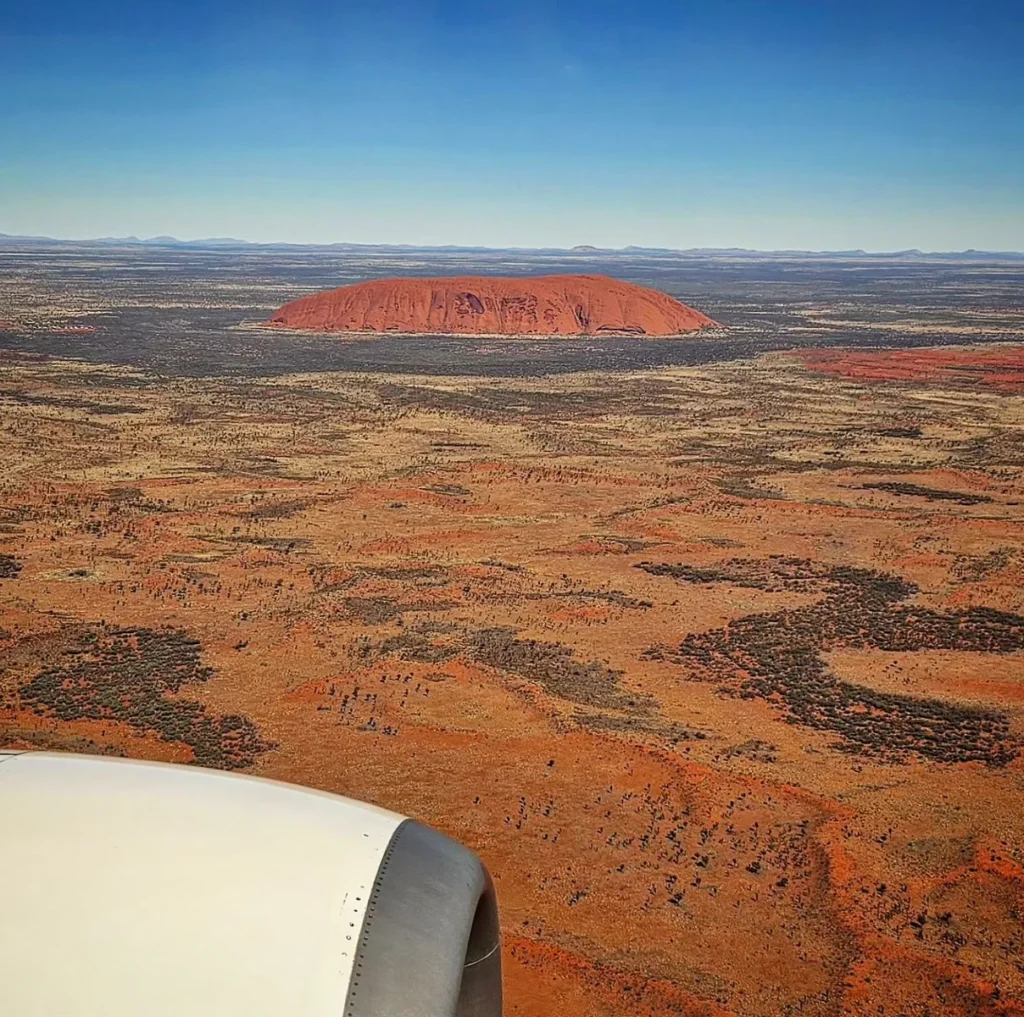
So you want to stand in the shadow of that big red rock? You’re not alone. Uluru’s more than just a photo op — it’s a place of deep cultural significance, long horizons and dust that’ll stick to your socks for weeks. But before you pack the swag and set your GPS to “nowhere”, it’s smart to ask: how much does it cost to visit Uluru?
The answer? It depends. Whether you’re flying in with the family, road tripping in a beat-up Land Cruiser or tagging along on a guided tour, the costs can vary wildly. From park passes to petrol, here’s the lowdown to help you budget like a seasoned outback traveller exploring Uluru-Kata Tjuta National Park in the heart of the Northern Territory.
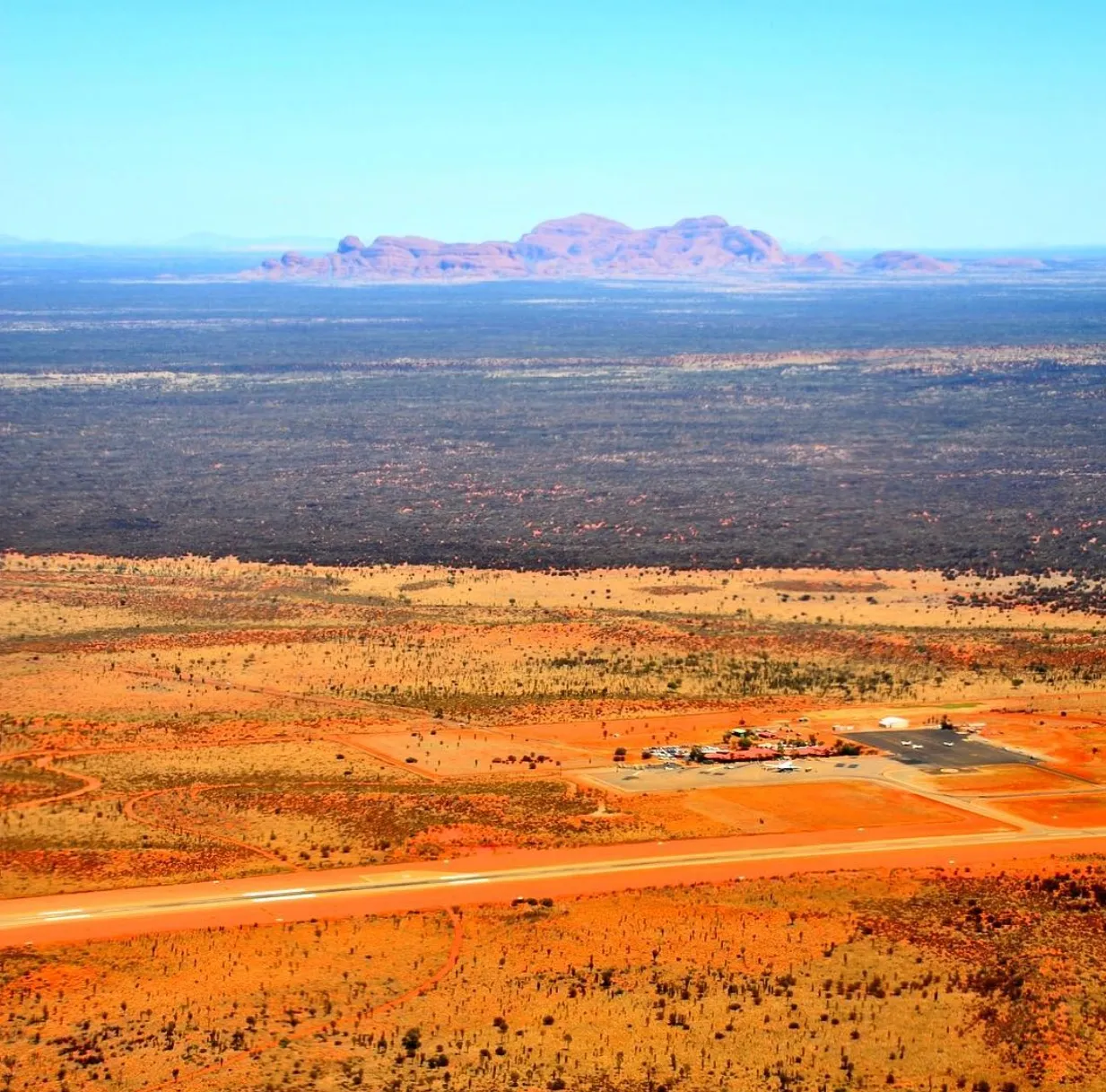
Park Passes and Entry Fees: The Must-Have Ticket
You can’t visit Uluru-Kata Tjuta National Park without a park pass — it’s your all access pass to the Anangu people’s protected Country and one of Australia’s UNESCO World Heritage Sites.
- Standard 3-Day Adult Park Pass: $38 per person
- Children under 18: Free
- Annual Pass (Visitor Pass): $50 (ideal for NT residents or repeat visitors)
You can buy your pass online at NT Park Bookings or at the entry station near the Cultural Centre. Bonus: your 3-day pass can be extended to 5 days at no extra cost. Just ask at the gate.
Tip: Fees go directly into maintaining the National Park and supporting the Traditional Owners, so it’s money well spent.
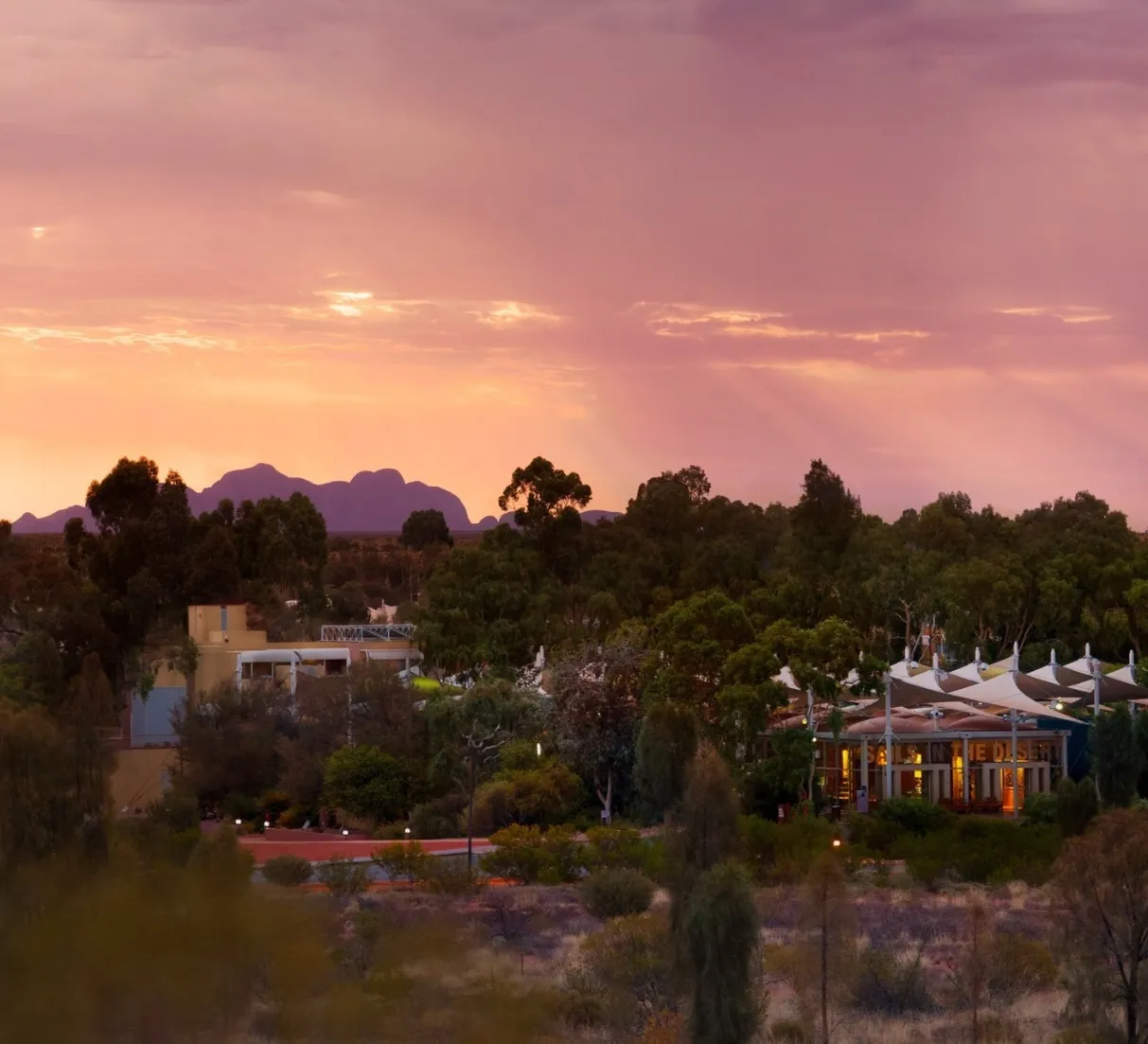
Getting There: Flights vs Road Trips
Getting to Ayers Rock is easier than you think, with several routes and transport options to suit your style and budget.
How you get to Uluru will be your biggest cost.
Flying into Yulara (Ayers Rock Airport)
- Flights from Sydney/Melbourne: $300–$700 return (season dependent)
- Flights from Alice Springs Airport: ~$300 return
- Transfers from Ayers Rock Airport to Ayers Rock Resort: Often free with accommodation booking
Prices go up in dry season (May–October) and you’ll pay more for weekend departures.
Driving to Uluru
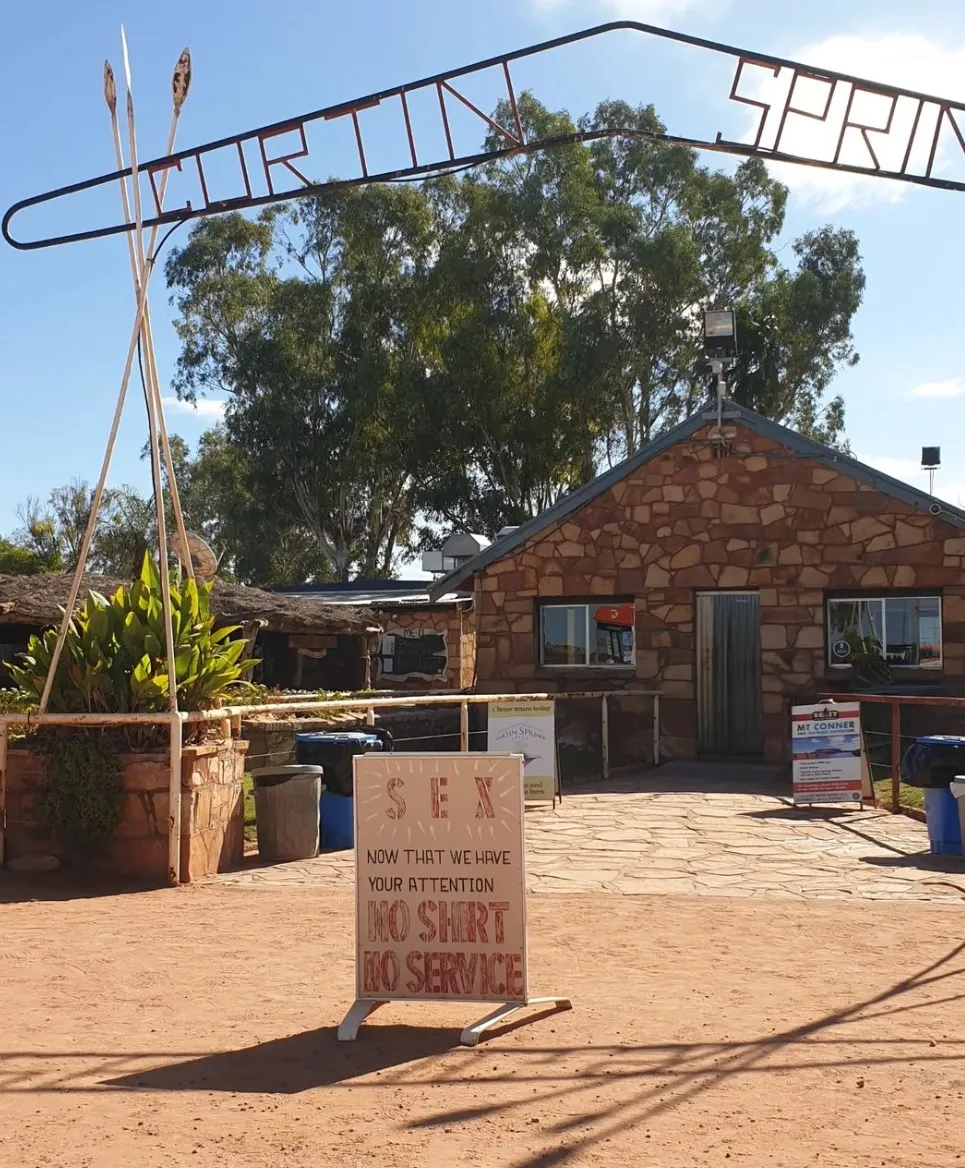
A popular stopover is Curtin Springs, a family owned cattle station that has fuel, food and even basic accommodation – handy if you’re breaking up a long drive from Alice Springs or Kings Canyon.
- From Alice Springs (450 km): ~$120 one way (depending on vehicle)
- From Adelaide (1,600 km): ~$450–600
- From Darwin (2,000 km): ~$600–800
You’ll also need to budget for:
- Campsites or roadhouse stays (budget $20–50/night)
- National Park access
- Tyre checks (the roads eat rubber for breakfast)
Traveller’s Tip: Don’t skimp on the spares. A blowout out bush is no joke. If you’re coming from Alice Springs Aerodrome or hopping off the Ghan Train, car hire or charter buses are essential for that final leg.
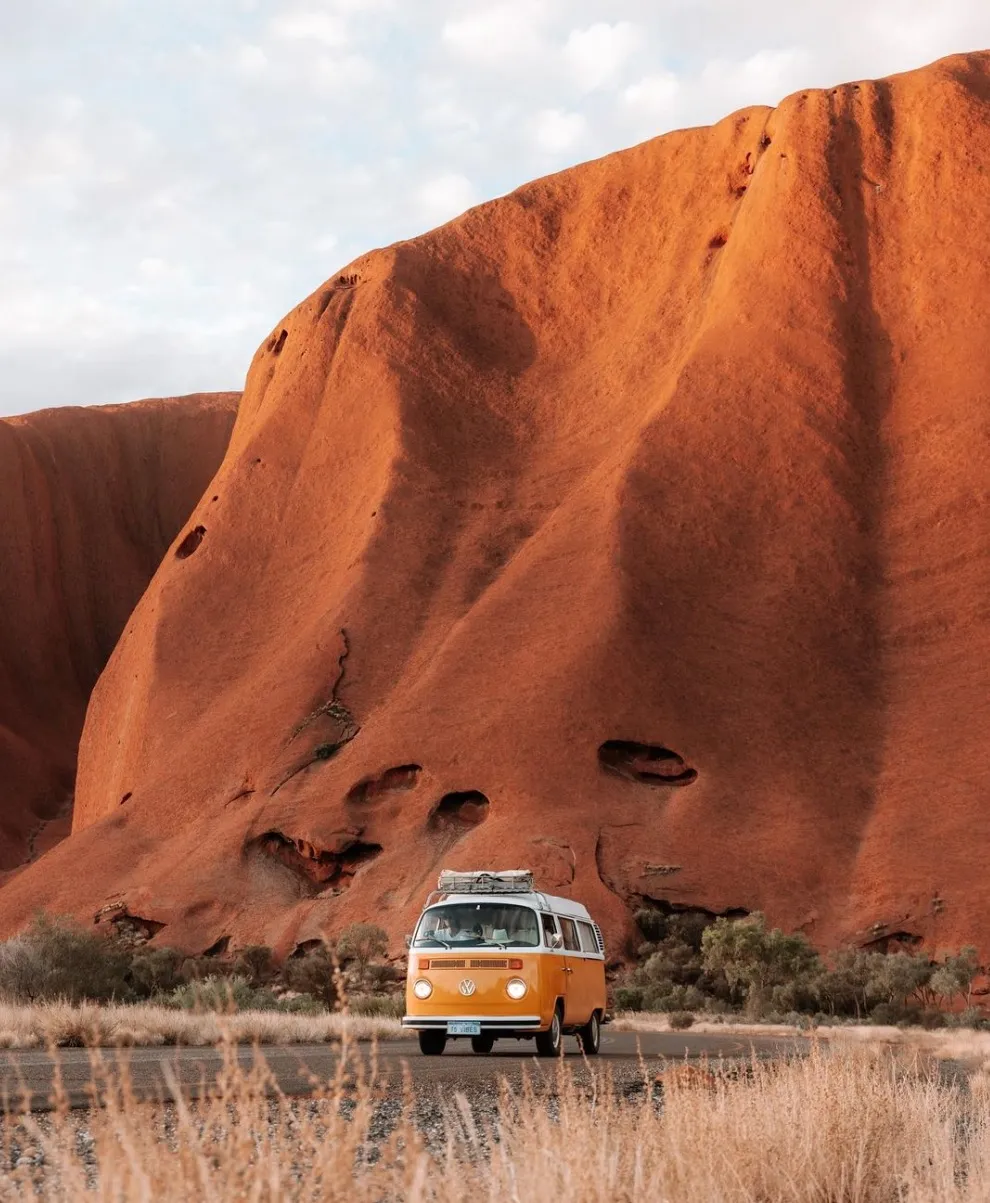
Accommodation Options: From Swags to Suites
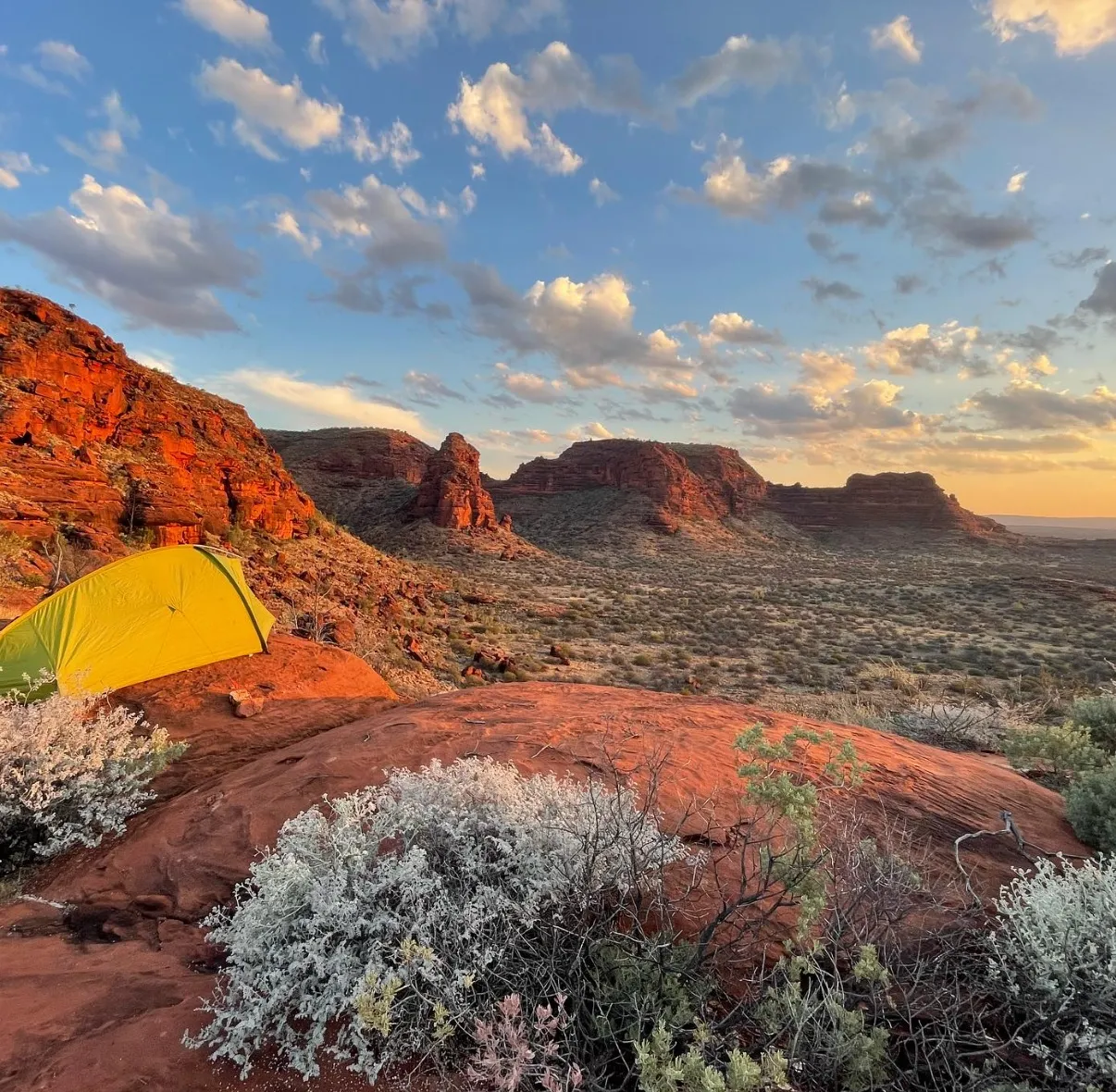
Uluru accommodation ranges from dusty campground spots to luxury digs with views of the Rock. Ayers Rock Resort has all the main options clustered around Yulara.
| Accommodation Type | Price Range (per night) | Example Options |
|---|---|---|
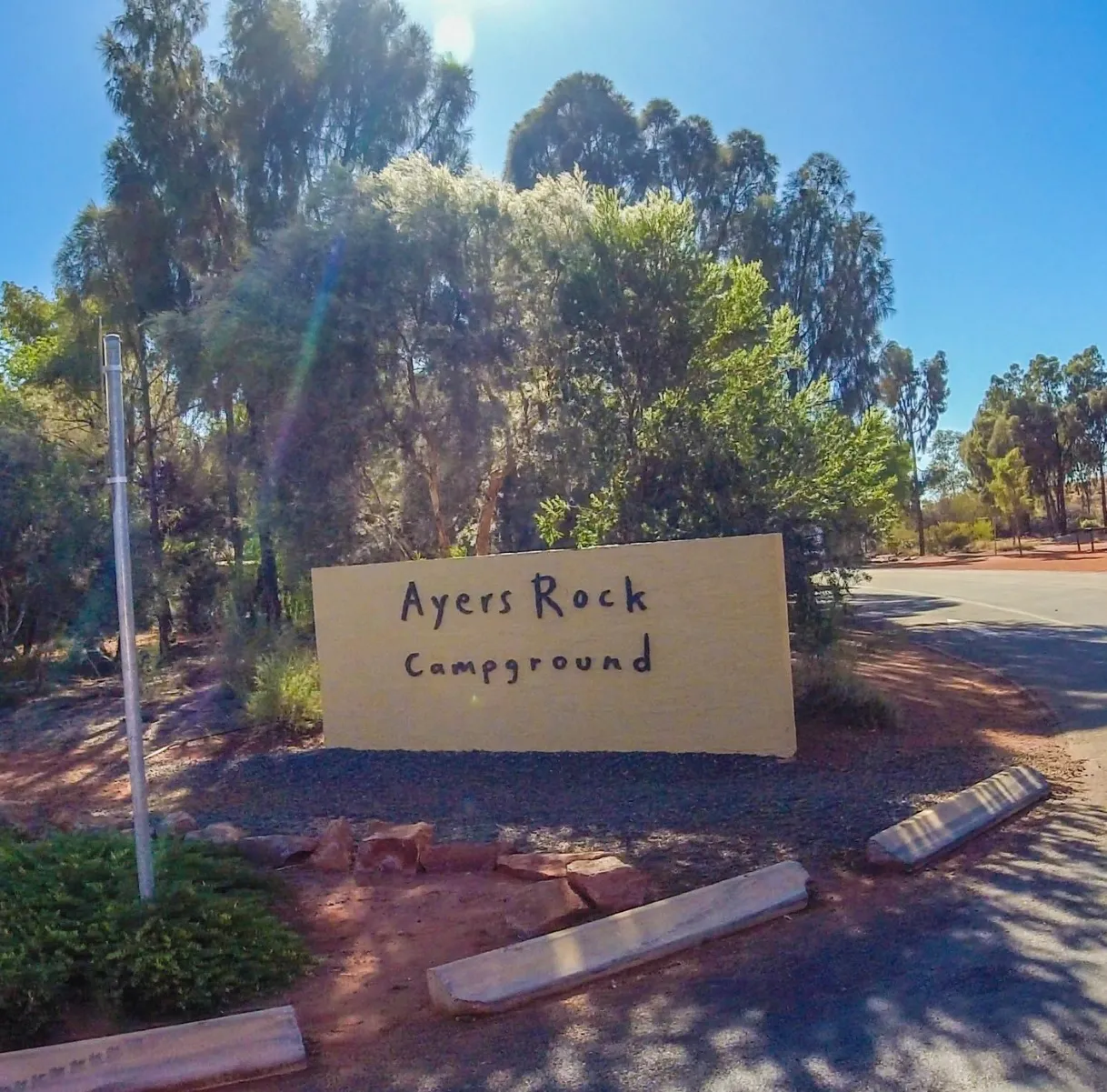
| Camping (powered site) | $40–80 | Ayers Rock Campground |
| Budget lodge/dorm | $55–95 | Outback Pioneer Hotel, Outback Lodge |
| Mid-range hotel | $230–300 | Desert Gardens, Emu Walk Apartments |
| Luxury glamping/lodges | $600–2,500+ | Longitude 131, Sails in the Desert |
Meals and Groceries: Feeding the Crew in the Outback
Food at Uluru isn’t cheap — you’re in the middle of the desert, after all.
- Pub/bistro meal: $25–40 (Outback Pioneer BBQ & Bar)
- Buffet dinner: $60–90
- Fine dining (e.g. Sounds of Silence, Tali Wiru): ~$250 per person
- Groceries (small shop): Slightly marked up; bring essentials from Alice Springs if driving
Most accommodation has shared kitchens, so self-catering is your best bet if you’re on a tight budget. BBQs are also available at the campground.
Traveller’s Tip: Grab a coffee or Bush Food experience from Kulata Academy Cafe — great feed, great cause.
Tours and Experiences: Worth the Spend?
There are heaps of Uluru tours to suit every kind of traveller, from scenic flights to cultural experiences with local guides. Operators like Autopia Tours offer small-group 2 day Uluru tour options that go deeper into the stories and landscapes of the Red Centre, without rushing you through it all.
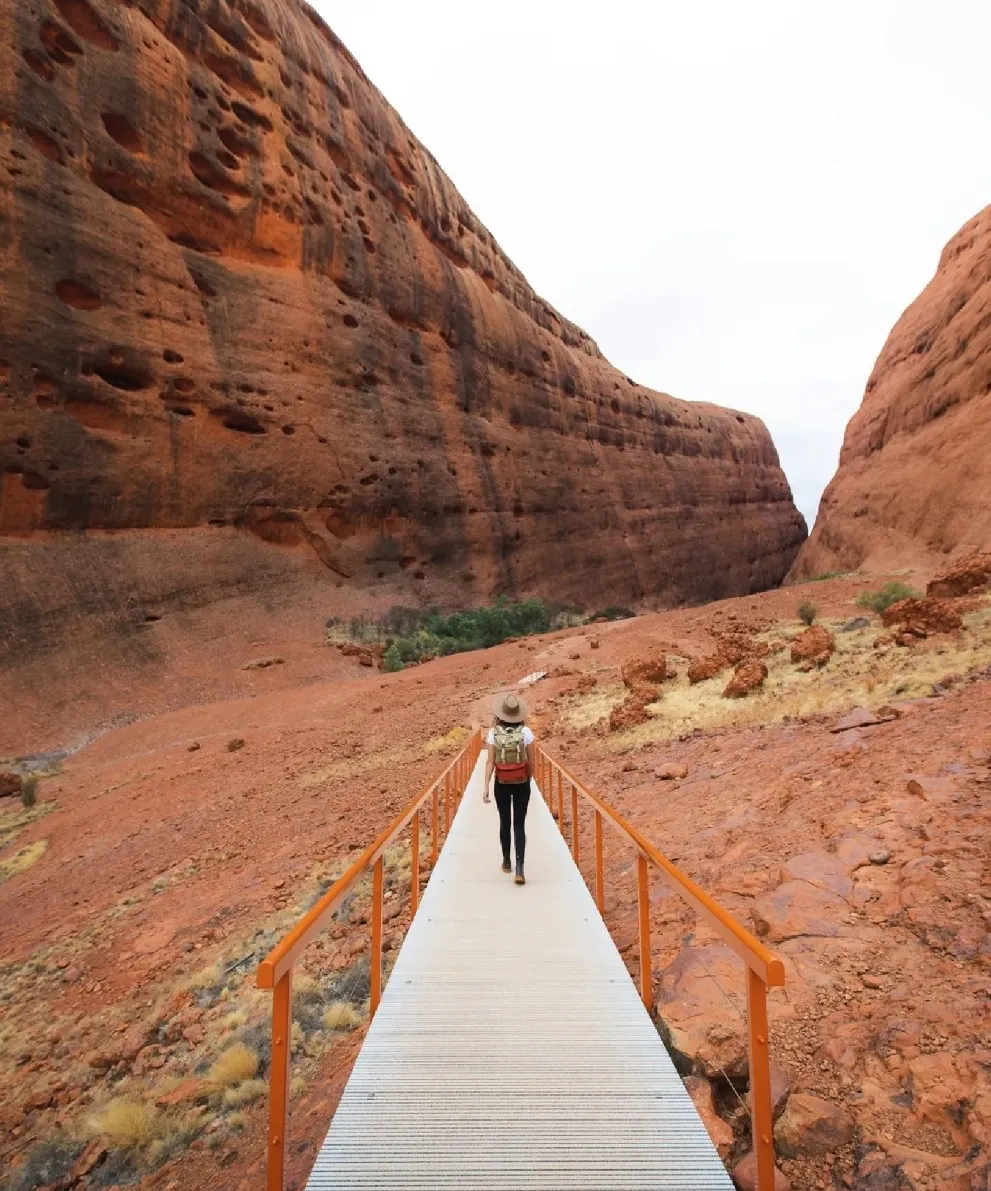
You can do the Uluru Base Walk, Valley of the Winds Walk and the Cultural Centre for free with your park pass. But guided experiences add context, comfort and connection.
Tour Costs
- Field of Light (Bruce Munro installation): $44–78 (entry only vs dinner tour)
- Uluru Sunrise or Sunset Tour: $75–120
- Cultural Experiences (dot painting, bush yarns): $30–60
- Scenic Flights over Kata Tjuḍa and Uluru: From $150 (helicopter) to $300+ (fixed-wing)
- Uluru Camel Tours: ~$80 for a sunset ride
- Wintjiri Wiru dinner show: $385+
See the Gallery of Central Australia or try the Uluru audio tour app if you want a self-guided experience.
Don’t Miss: A ranger-guided Mala Walk. Free. Awesome. Just show up. The Mala Walk is one of the most important trails around Uluru, and will give you insight into the local Tjukurpa stories and sacred sites along the base.
Car Hire and Transport: Getting Around the Rock
Uluru isn’t walkable unless you’re part mountain goat. You need wheels.
Car Hire at Yulara
- Small car: $120–150/day
- 4WD or SUV: $180–250/day
Book early, especially during school holidays. Limited vehicles means prices skyrocket.
Shuttle Bus and Public Transport
- Uluru Hop On-Hop Off Bus: $49–95 per day
- Uluru Hop On Hop Off Airport Transfers: Often included with accommodation
Local Hack: Team up with fellow travellers to split car hire costs. Plenty of people happy to share petrol if it means more freedom.

Seasonal Factors: Timing Can Save You Money
Peak Season (May to September)
- Cooler weather, big crowds, higher prices
- Accommodation often books out
- Best time for hiking and sunrise tours to Talinguru Nyakunytjaku or Kata Tjuta Dune Viewing Area
Shoulder Season (March–April, October)
- Warm days, bearable nights
- Fewer people, slightly cheaper
Wet Season (Nov–Feb)
- Hot, humid and stormy
- Lower accommodation costs
- Risk of National Park closures due to flooding or heat
Warning: Temps can hit 45°C in summer. Always check for heat warnings.
3-Day Budget (Solo Traveller)
| Category | Cost (AUD) |
|---|---|
| National Park Pass | $38 |
| Flights (from MEL) | $500 return |
| Accommodation (3 nts at lodge) | $270 |
| Meals (mixed self-catering) | $90 |
| 1 Guided Tour | $90 |
| Shuttle Transport | $60 |
| Total Estimate | $1,048 |
On a shoestring? You could shave that to ~$700 by camping at Ayers Rock Campground, carpooling, and self-catering.
Final Thoughts: It’s Not Cheap, But It’s Worth It
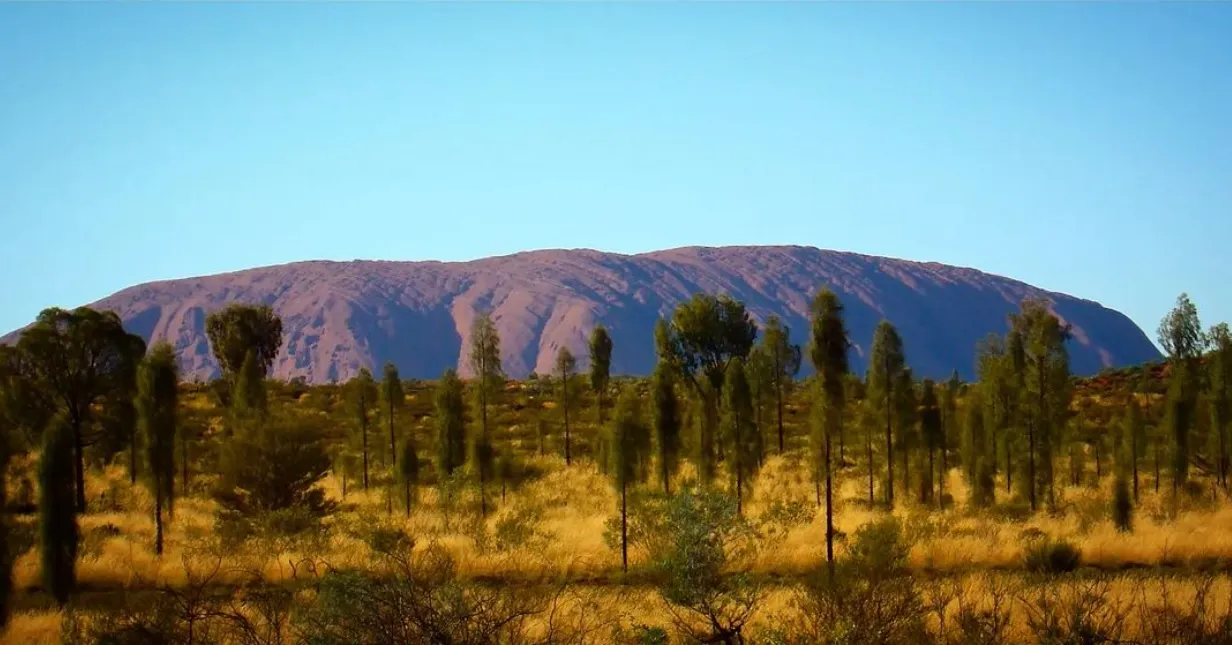
So how much does it cost to visit Uluru? Enough to make you plan ahead, but not so much it’ll break the bank. Like all great Aussie journeys — whether it’s the Great Ocean Road, the Grand Canyon or the Great Barrier Reef — you get out what you put in. You can splash out on a scenic flight or keep it simple with a swag under the stars.
What matters most is doing it right: travelling with respect, giving back to the Traditional Owners and leaving the land better than you found it. Places like Uluṟu-Kata Tjuṯa National Park are more than destinations — they’re living cultural landscapes stewarded by Aboriginal people.
Got more Uluru travel questions? Leave ‘em in the comments — always happy to update the field notes with fresh tips.
FAQ
Do I have to pay to see Uluru up close?
Yes, a Uluru-Kata Tjuṯa National Park pass ($38) is required for access to Uluru and Kata Tjuṯa.
Is there free camping at Uluru?
No free campsites near the Rock. Closest options are paid sites in Yulara like Ayers Rock Campground.
Can I cook my own meals?
Yes, most campsites and lodges have BBQs or shared kitchens. Bring supplies or grab some from the Outback Pioneer Supermarket.
When is the cheapest time to visit Uluru?
Wet season (Nov–Feb) is the cheapest time but be prepared for extreme heat and potential National Park access limits.
Do I need to do a tour or can I go solo?
You can go solo with a map and park guide, but tours or apps like the Uluru audio tour app add rich cultural context and cover logistics like shuttle bus access and walking safety.