Why Are There No Waves In Cairns?
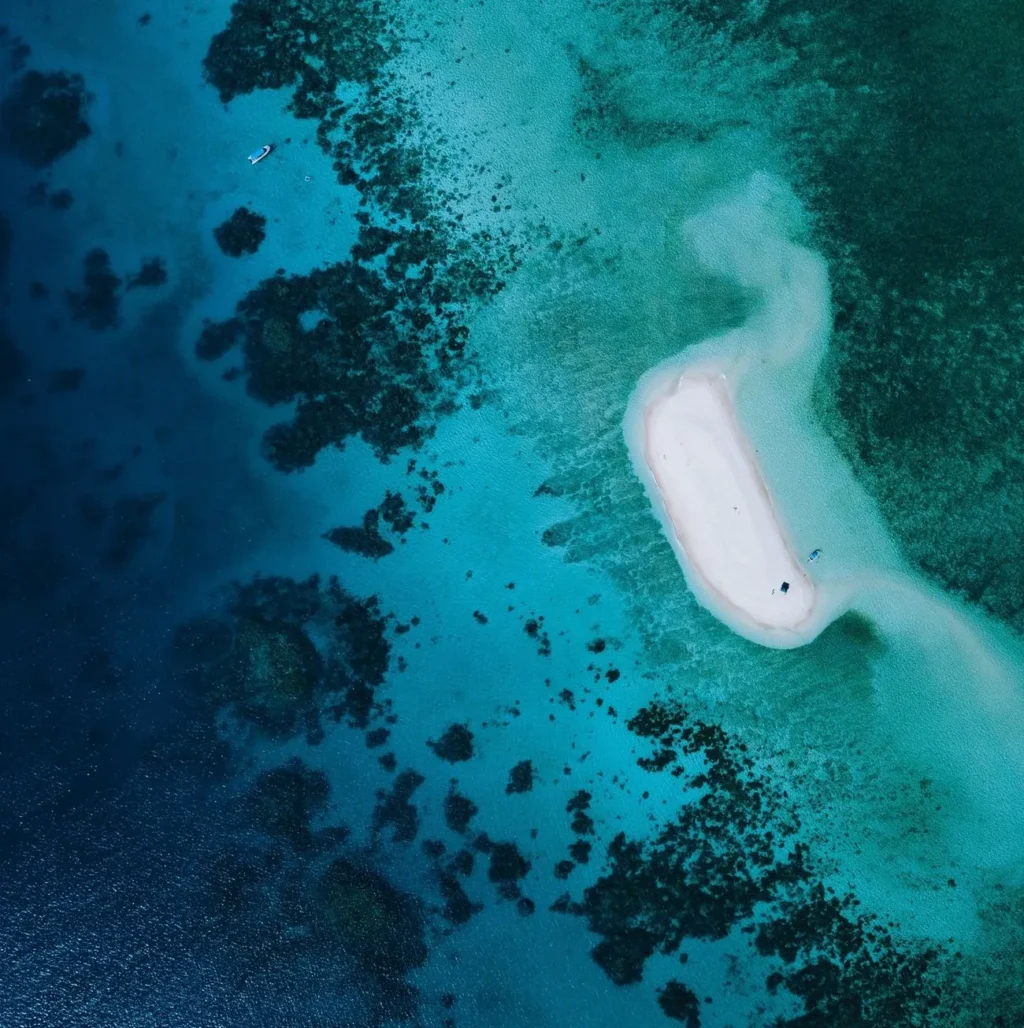
Most travellers come to Tropical North Queensland looking for a wave, and you can just imagine the look on their face when you ask in the first question of the intro – “Why are there no waves in Cairns?” Cairns sits on a coast that’s been sculpted by the Great Barrier Reef, shallow tidal flats and a few pretty unusual weather patterns that just keep the big surf at bay just off the coast of the Cairns Esplanade. You could stand there staring out at the Coral Sea for hours, waiting for a decent breaker, and still end up going home disappointed.
I’ve been guiding people around Cape York, Port Douglas and even the most remote bits of the reef for years now, and the fact that Cairns has a shoreline that’s as flat as a plate still catches Aussie road trippers out. You’ve got places like Ellis Beach, Palm Cove, Yorkeys Knob and Holloways Beach out there that are as calm as glass most days of the week – and there’s a good story to tell as to why it stays so still up here.
Why You Won’t Find Real Surf Here
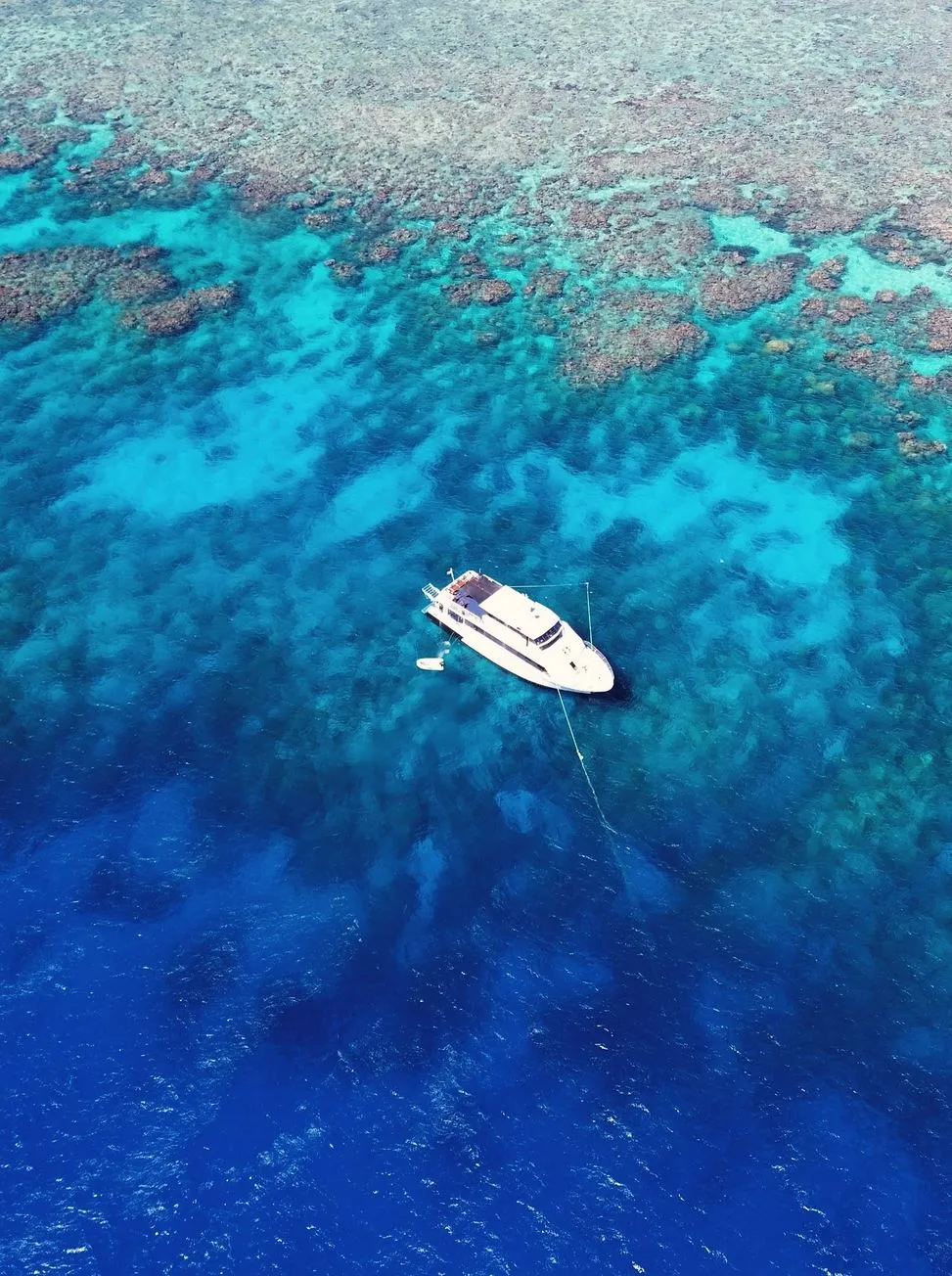
It’s because the Great Barrier Reef blocks the waves before they even get to the beach, and shallow water and offshore winds just strip away any energy that’s left. End of story.
Cairns Beaches Are Right Behind A Monster Barrier
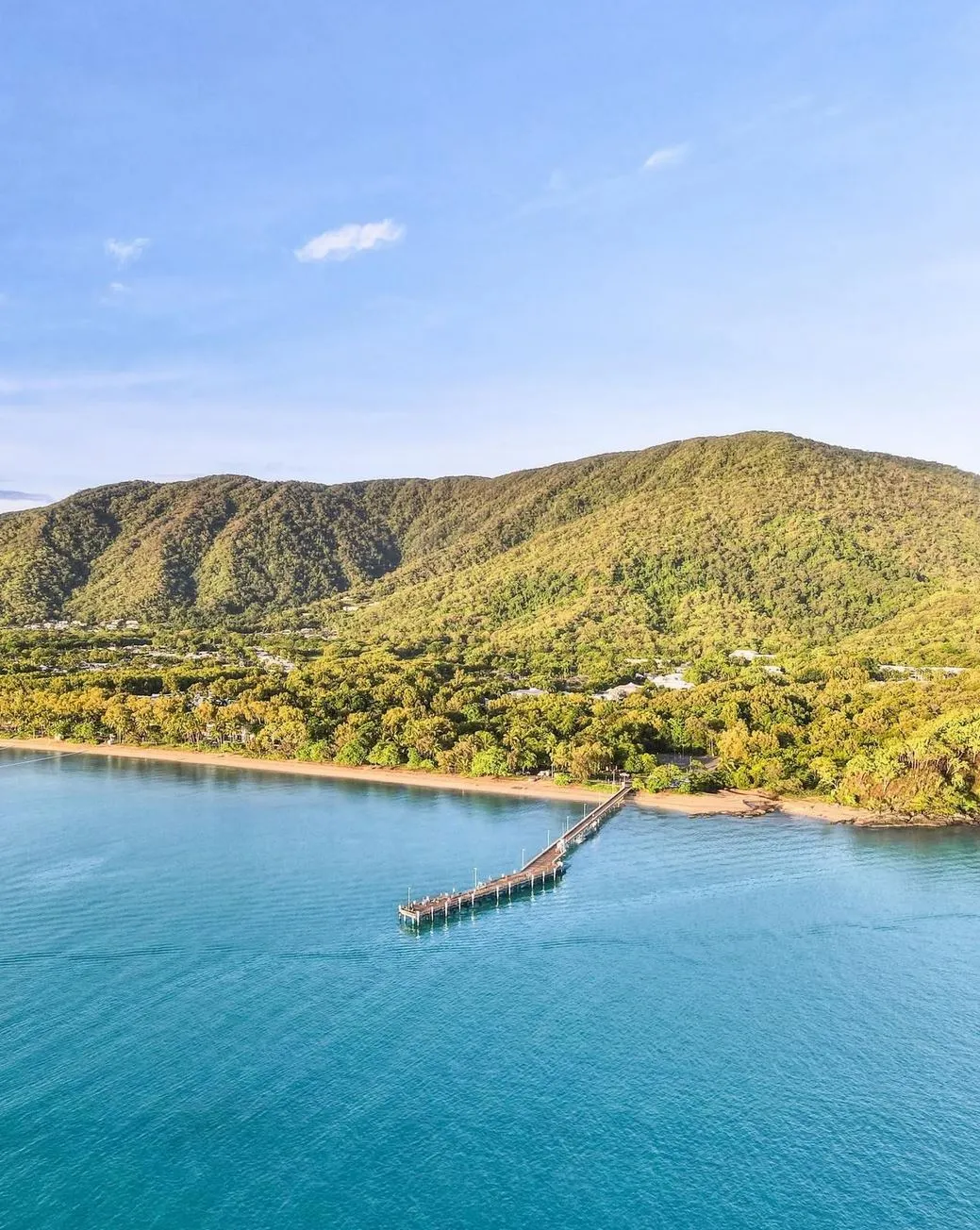
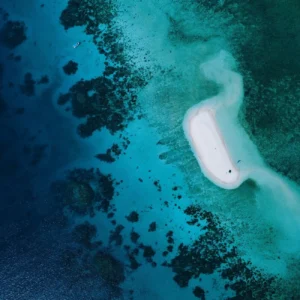
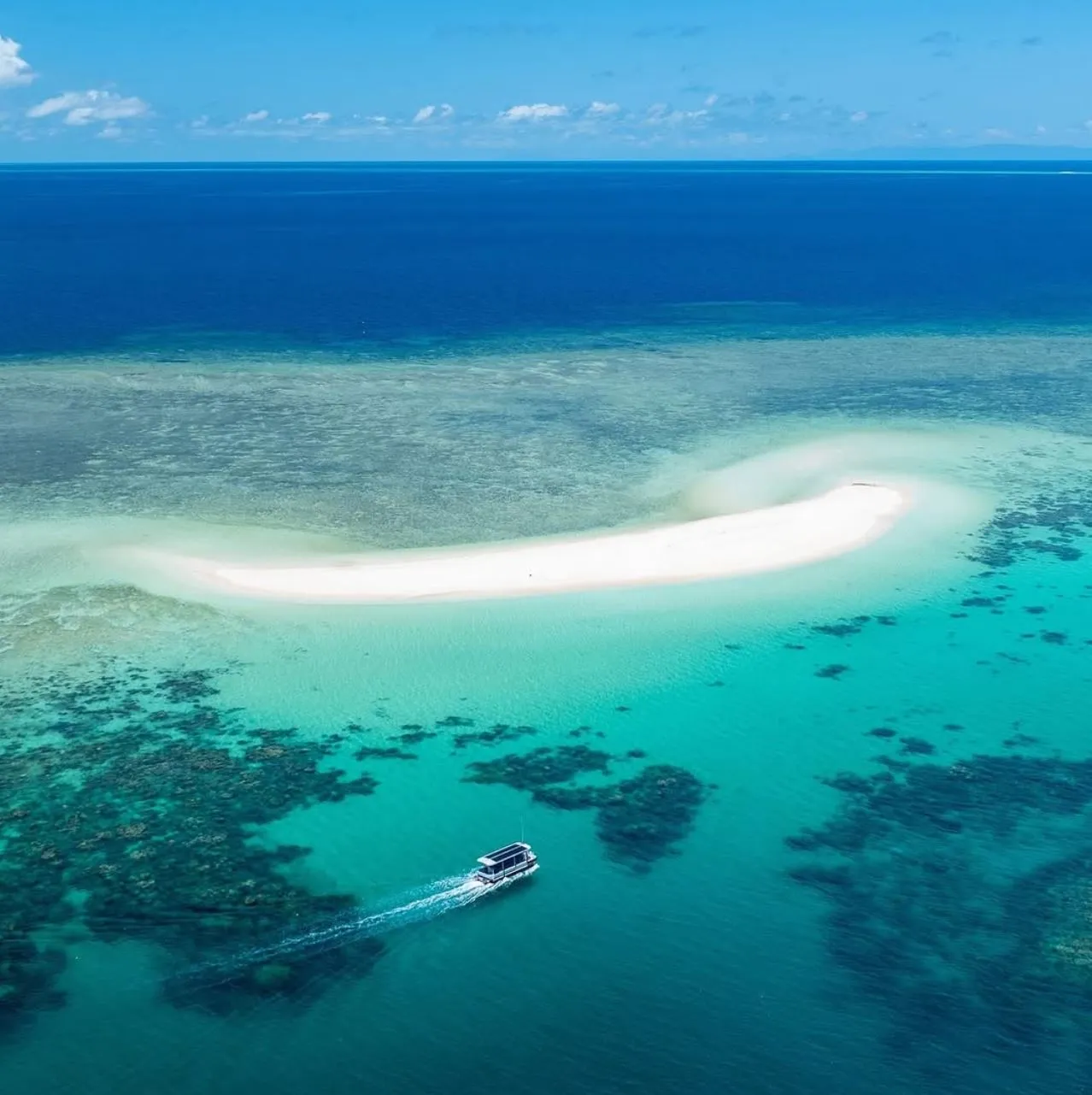
The coastline at Cairns doesn’t face out into open ocean – it’s facing the Great Barrier Reef, which is just a huge coral reef system that sits about 20 to 40 kilometres offshore and acts as a massive break wall. Any big swells coming in from the Coral Sea just get whittled away by the time they hit the reef – they lose force before they even get to the shore at places like Machans Beach or Trinity Inlet.
The upshot?
A coastline that’s better suited to puttering around on a paddleboard or a kiteboard than trying to catch a big wave. Even when the trade winds are making a mess of the water out there, you can still find Yorkeys Knob or Holloways Beach as calm as a millpond because they’re in shallow water with low wave periods.
The Water’s Too Shallow, So The Waves Can’t Get Up
The shelf out there is really deep- the continental shelf is a lot wider than you’d normally expect. Water stays shallow for ages – the tides, the sea level and the Lowest Astronomical Tide all affect how shallow it gets. And shallow water has a funny effect – it just weakens the waves so they don’t get bigger and better as they approach the shore.
To be honest, if you were designing a coastline just to stop surf forming – with its mudflats, mangroves, predictable tides and nothing but calm water – this one would be it.
How Local Geography Makes Surfing Up Here a No-Go
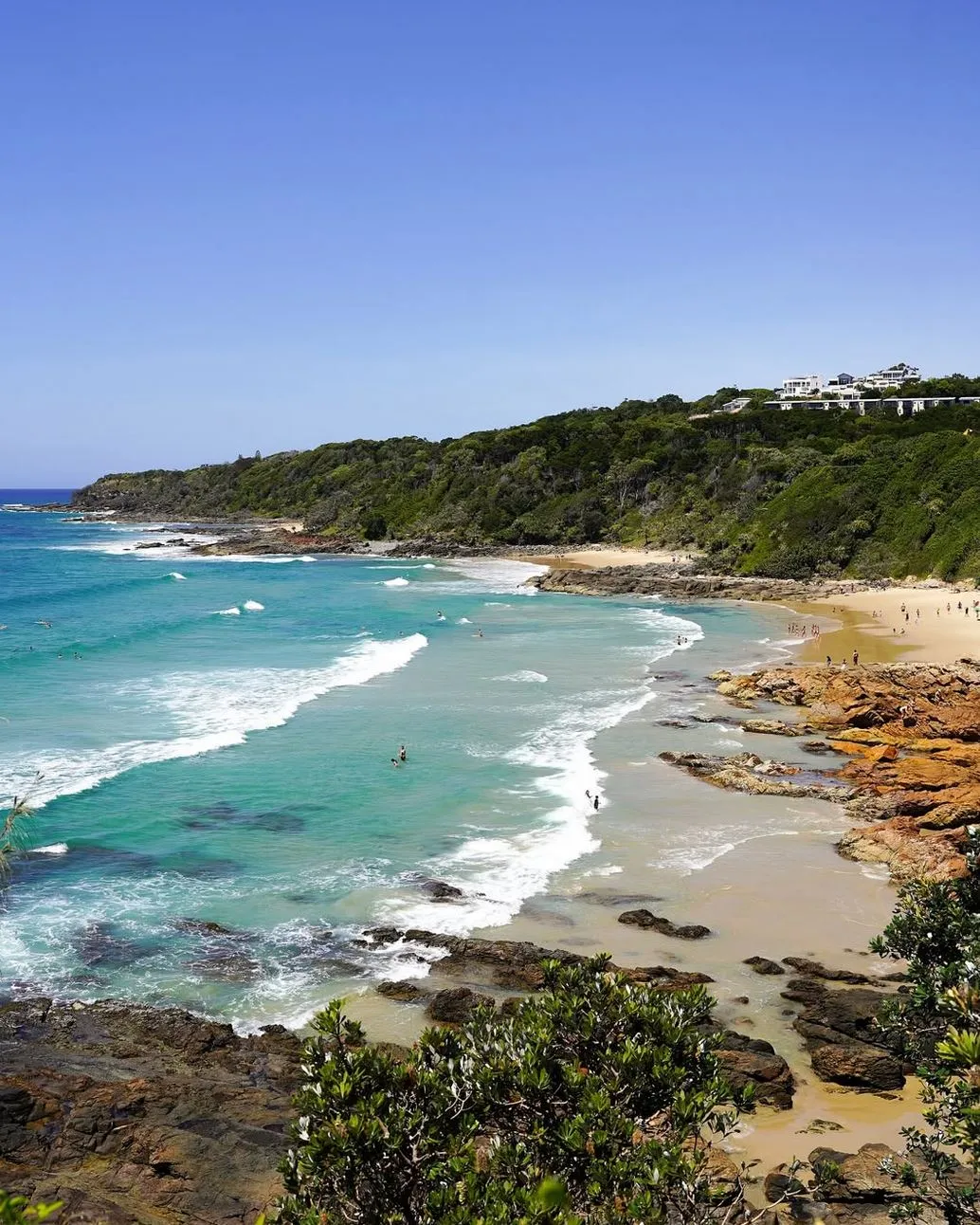
Mangroves, mudflats and a huge continental shelf are the perfect team with the reef when it comes to taming swell – effectively breaking it down into a gentle lapping against the shore well before it even reaches the water’s edge.
The Reef Takes the Hit Before We Do
Think of swell as one long, rolling bunch of energy. Then picture that energy hurtling into an incredible 2,300 kilometres of coral reefs, cays and bommies. That’s why you won’t get the thrill of riding a cyclone-generated swell in Cairns – it all just gets scattered elsewhere. The reef takes the punch and keeps your beachside spot a nice and sandy place to sit.
Mangroves And Mudflats Create Their Own Little Oasis of Calm
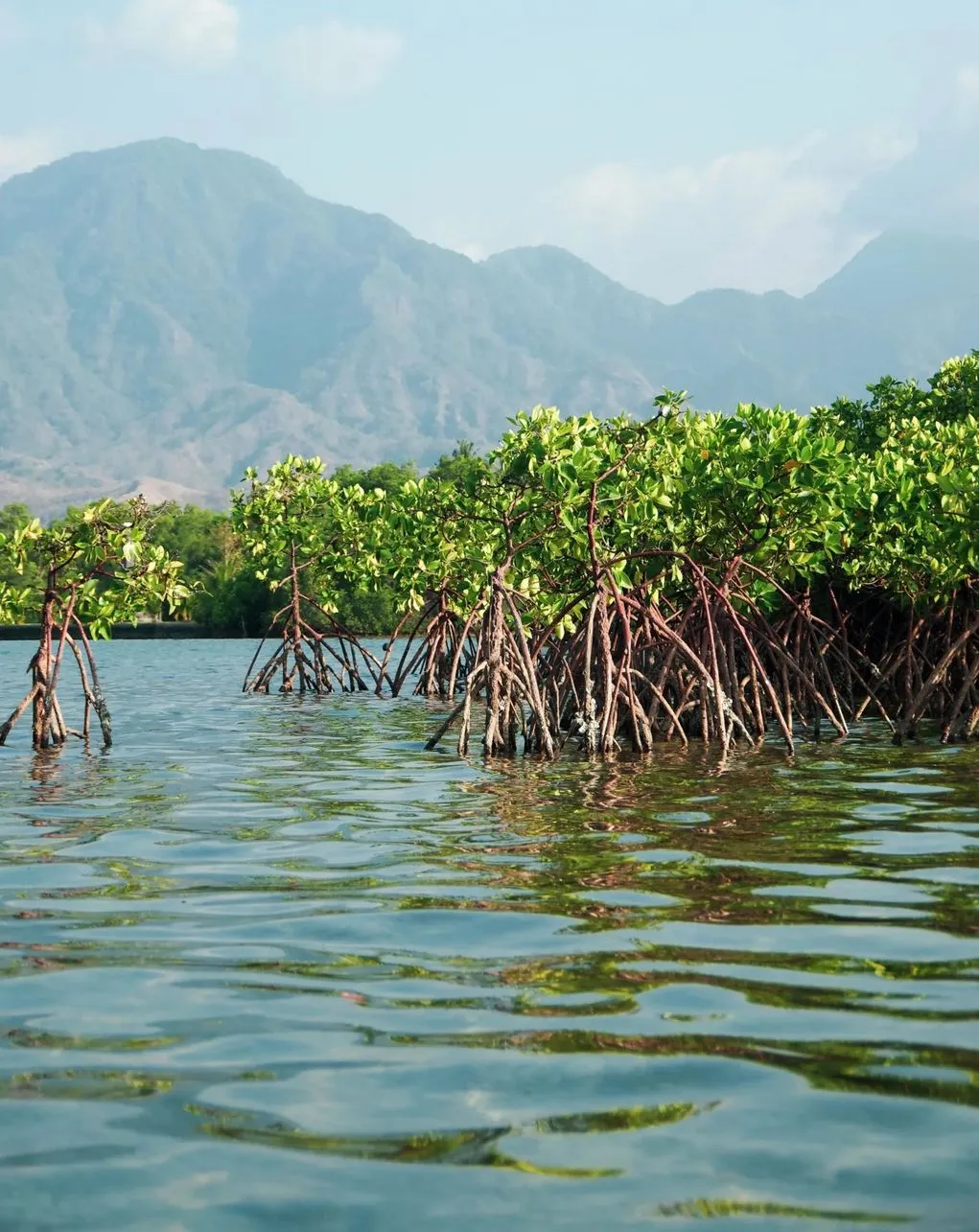
The coastline around Cairns is carpeted with mangroves and mudflats – think Trinity Inlet, Machans Beach and the like. These natural systems just gobble up sediment, slow down the currents and muffle any wave energy that manages to sneak past the reef.
And yeah, wading through the mudflats at low tide does feel a bit like walking on a sponge cake – squishy and weirdly flat. Even the flying fish are like,’ What’s going on with this flat bit?’
Seasonal Winds Just Don’t Cut It For Surfers
Dry season is southeasterly trade winds country – that means the wind blows out to sea, which is neither here nor there for someone who wants to catch some waves. And when you factor that in with the reef blocking most of the swell, well… you can forget about riding anything much.
During the wet season, the wind and rain are cranked up – but the reef never lets the waves break as they do at Snapper or Burleigh Heads.
Quick Look: Why This Region Has No Waves
Here’s a simple snapshot for travellers:
| Factor | Impact on Waves |
|---|---|
| Great Barrier Reef offshore | Blocks swell and alter the wave height |
| Wide continental shelf | Keeps water depth shallow, reducing wave energy |
| Mangroves & mudflats | Absorb and dampen wave action |
| Prevailing winds | Push waves offshore, reducing formation |
| Coastal orientation | Faces sheltered Coral Sea, not open Pacific swells |
What This Means For Travellers (And A Few Silver Linings)
Travellers get to enjoy calm, warm water that’s perfect for SUPs, lagoon swims and reef trips – even if the surfboard stays in the car, which is probably for the best anyway.
You Get Calm, Lovely Beaches To Relax On – But Timing is Everything
Flat water isn’t so bad. On the contrary, it’s ideal for:
- A spot of SUP at Palm Cove, with the sun shining down on you
- Paddle-boarding at sunrise, watching the day come to life
- Giving wing surfing a go when the breeze is light
- Snorkelling off Ellis Beach at high tide – the views are stunning
- Just bobbing about in the shallow water on a lazy arvo, letting the world drift by
But stinger season (roughly November to May) throws a curveball. Marine stingers start drifting closer to shore, so stinger nets become your best friends. Local weather stations monitor sea surface temperatures and weather-related risks, especially during cyclone season.
Surf Chasers Are Best Headed South or North Instead
If you’re desperate to catch some waves at Cairns:
- Head South to the Gold Coast, and hit up places like Burleigh Heads, Main Beach and Snapper Rocks
- Move North to Mission Beach or Double Island – you might be lucky and catch some small waves
- Head Further South to Double Island Point, Noosa Heads and Great Sandy National Park – the waves are probably better down there
I once watched some poor soul carrying a surfboard down the Cairns Esplanade in 90% humidity – he looked like he was carrying a fridge and didn’t even manage to catch a wave at the end of it.
Local Tips for Enjoying This Calm Coastline
Just check the tides, stick to the stinger nets in season, and head offshore for some clearer water. That’s where you’ll find the best underwater action.
Choose Your Beaches Wisely Based On The Tides
Tide times in Cairns can get pretty crazy – we’re talking up to 3 metres. High tide provides higher water levels at Palm Cove, Trinity Beach, Ellis Beach, and Yorkeys Knob. Low tide exposes all the mudflats out to the horizon.
Just be careful – saltwater crocodiles love these estuaries, so don’t go getting any ideas.
Get Out Past The Reef For Better Water
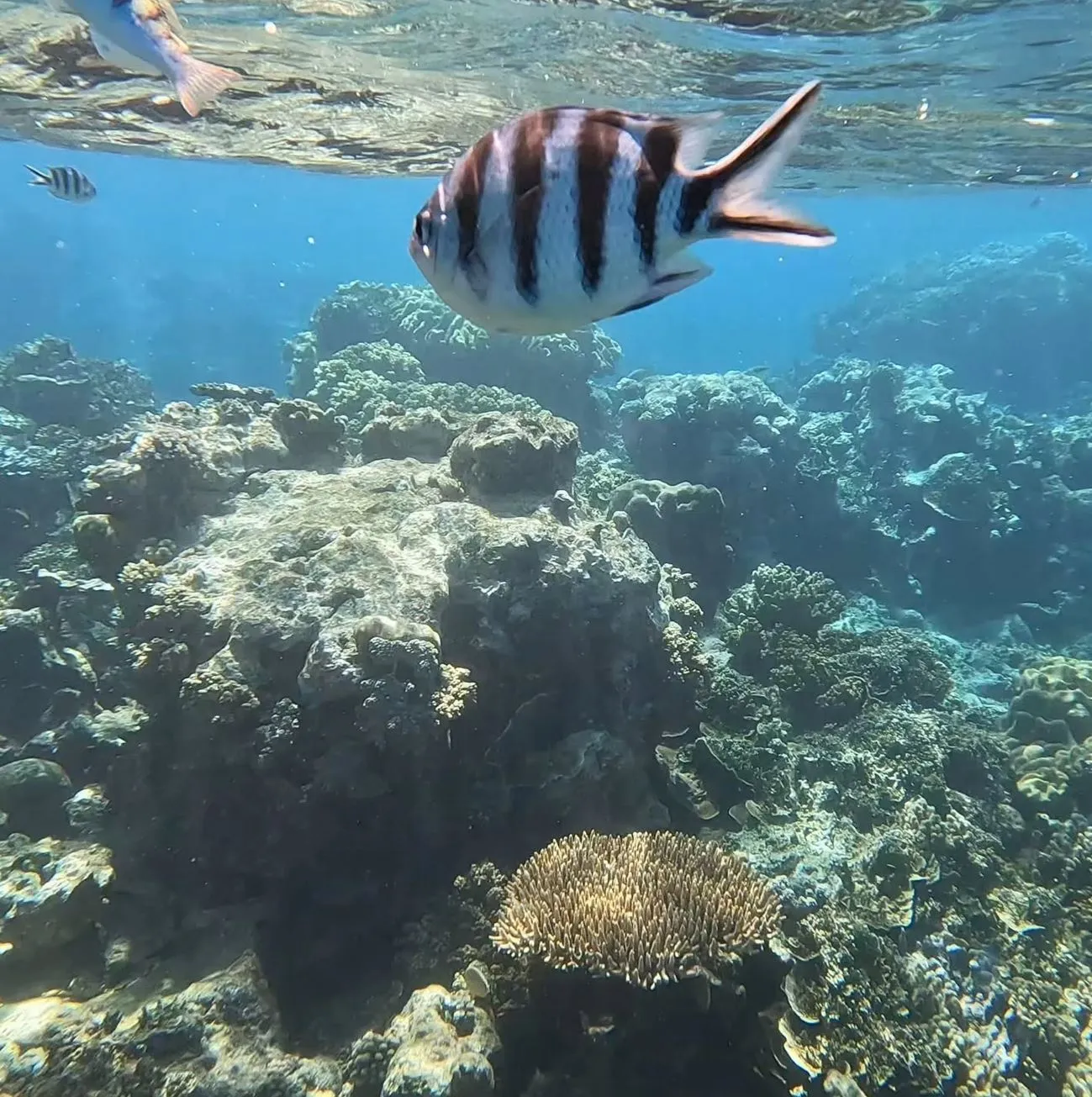
Head out to Green Island, Double Island or Fitzroy Island for some clearer water. Once you’re past the reef, scuba diving conditions are heaps better, with wave direction and period stabilising. This is where you’ll see flying fish, turtles and reef sharks cruising around coral bommies.
Think About The Seasons Before You Plan Your Water Activities
- Dry season: Best for water activities – the wind forecast is reliable, the weather is stable, and the tides are calm
- Wet season: Cyclones, runoff, stronger winds and weather warnings
You might want to book a reef trip instead of sticking to the beach if you’re travelling during this time
A Traveller’s Mini-Checklist for Tropical Beaches
- Do a quick check of tide times with the Bureau of Meteorology
- Use those stinger nets when marine stingers are about
- Stick to patrolled beaches like Palm Cove if you do decide to swim
- Keep an eye out for those croc warning signs
- Water’s usually pretty calm up there – you might be better off bringing a SUP rather than a surfboard
- If you can manage an offshore trip, the visibility is usually much better
You don’t come here just to catch some waves – the coral gardens, the warm water, the flying fish zipping through the water, and those lovely lazy afternoons by the Esplanade Lagoon are what do it for most people. Booking a Great Barrier Reef Tours is usually a pretty good way to get a taste of what this place is all about.
FAQ
Can you surf anywhere near Cairns?
To be honest, no. The reef tends to block most of the waves & wave buoys don’t really pick up anything of note. If surfing’s your thing, you might be better off heading to the Sunshine Coast, Gold Coast or Noosa.
Why do Cairns’ beaches look a bit muddy at low tide?
It’s because of those mangrove systems, the sediment that runs off from land & the mudflats that get shaped by tidal flows & changes in sea level.
Do cyclones create big waves in Cairns?
Tropical cyclones do generate offshore waves, but the reef usually absorbs most of the energy, so you don’t get any decent surfable waves. What you might get is a bit of storm surge.
Where are the calmest beaches in the area?
Usually, Trinity Inlet, Yorkeys Knob and the Cairns Esplanade have some pretty calm conditions, especially around the Esplanade Lagoon.
Are Cairns’ beaches safe to use all through the year?
They are so long as you use stinger nets, keep an eye on the weather forecast & steer clear of any crocs. Do a quick check of the Bureau of Meteorology’s site if you’re planning to get in the water.