How to apply sunscreen in my skincare routine
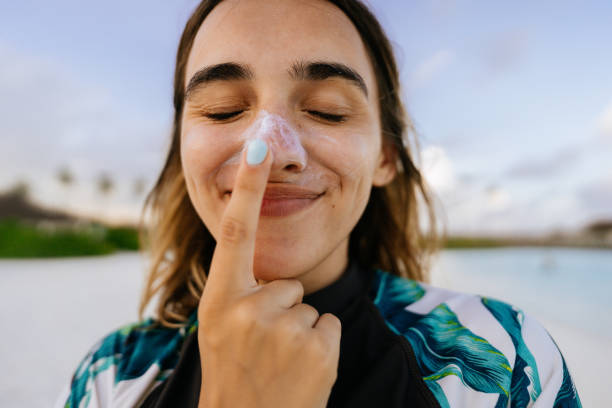
Sunscreen plays an instrumental role in skincare. Every dermatologist advises the importance of including sunscreen in your daily regimen. Not only does it shield your skin from harmful ultraviolet (UV) rays, but it also mitigates aging signs, prevents hyperpigmentation, and reduces the risk of skin cancer. A major question that arises here is how to apply sunscreen on face effectively. We will answer that, painting a comprehensive picture of applying sunscreen in your skincare routine.
Understanding Sunscreen
Before diving into the procedure of applying sunscreen, it’s imperative to comprehend why it is significant and when it’s most effective. Sunscreen mainly serves as a protective barrier between your skin and the sun rays. Two types of rays can impact your skin – UVA, which causes skin aging, and UVB, which causes sunburn.
Benefits of Using Sunscreen
Sunscreen provides extensive armor against these harmful wavelengths.
- Importance of SPF: SPF, or sun protection factor, measures the level of protection a sunscreen can offer against UVB rays, determining what are the best sun screens available.
When to Apply Sunscreen
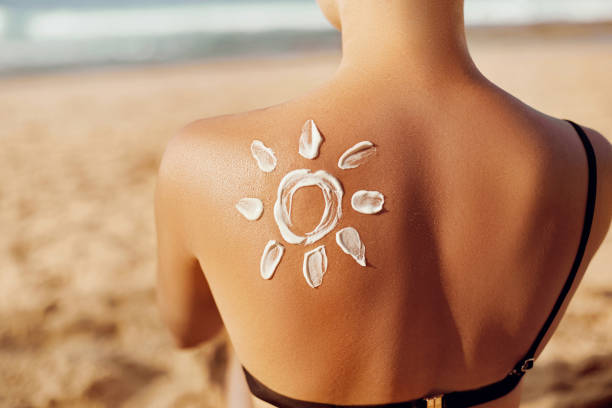
Although it’s commonly perceived that sunscreen should only be used on sunny days or at the beach, it’s crucial to understand that harmful UV rays can reach us no matter the season or weather. Thus, the question of when to apply sunscreen in skincare routine comes to play – and the short answer is every day.
Choosing the Best Sunscreen
Different skin types require different skincare products, and sunscreen is no exception. With countless options available, picking what are the best sun screens tailored to your needs can be a daunting task.
| Skin Type | Sunscreen Type |
|---|---|
| Oily | Gel-based |
| Dry | Cream-based |
| Combination | Lotion-based |
| Sensitive | Mineral-based |
- Considerations for Selecting Sunscreen: When selecting sunscreen, take into account its composition, broad-spectrum capacity, water resistance, and the appropriate level of SPF for your skin and climate.
- Tips for Applying Sunscreen: Whether your skin type is oily, dry, a combination, or sensitive, a guideline on how to apply sunscreen effectively will be useful.
Application for Different Skin Types
Applying sunscreen isn’t as simple as it may seem. It varies according to skin type and involves a certain methodology for maximum efficiency.
- Sunscreen for Oily Skin: If you have oily skin, opt for gel-based or water-based sunscreens. They get absorbed swiftly and offer a non-greasy look.
- Sunscreen for Dry Skin: For dry skin, moisturizing sunscreens are often the best choice. They hydrate the skin while providing necessary sun protection.
- Sunscreen for Combination Skin: For combination skin, water-based sunscreen lotions are most recommended.
- Sunscreen for Sensitive Skin: For sensitive skin, mineral-based sunscreens are an ideal choice to avoid allergic reactions.

Proper Sunscreen Application
Applying sunscreen effectively comes down to both the quantity of the product and its proper distribution.
Step by Step Guide to Applying Sunscreen
Begin by allocating a liberal amount of sunscreen onto your palm. For the face and neck area, a teaspoon of product is recommended. However, make sure to include parts that often are forgotten, such as the back of the neck, ears, and décolleté.
- Apply a uniform layer on your face, avoiding the eye area.
- Allow the sunscreen to be completely absorbed before adding any makeup products.
Layering Sunscreen with Other Products
Applying sunscreen in your skincare routine demands strategic layering. You would ideally layer it as the last step of your skincare routine, right before applying your makeup.
Most Common Mistakes While Applying Sunscreen
Applying sunscreen too thinly, not reapplying, or applying sunscreen over makeup – are common mistakes we should avoid.
Sunscreen Reapplication
The sun-protection power of sunscreen declines over time, and therefore reapplying is essential.
How Often Should You Reapply Sunscreen?
As a general rule, reapply every two hours, especially when directly under the sun’s rays.
Reapplying Over Makeup
Touching up sunscreen over makeup seems tricky, but some spray sunscreens can be fairly refreshing and do not interfere with the makeup below.
Exploring Physical and Chemical Sunscreens
Sunscreens predominantly fall under two categories – physical (mineral) and chemical, with their formulas acting differently on the skin.
Physical Sunscreens
Physical sunscreens have active mineral ingredients that function by sitting on top of the skin to deflect the harmful rays.
Chemical Sunscreens
In contrast, chemical sunscreens absorb the sun’s rays, convert them into heat, and subsequently, release them from the body.

Sunscreen Myths and Facts
A lot of misconceptions surround sunscreens, let’s debunk some of them.
Common Misconceptions About Sunscreen
One myth suggests that people with darker skin tones do not need sunscreen. However, regardless of skin color, harmful UV rays can still cause skin damage.
Clarifying the Truths Behind Myths
In actuality, everyone, regardless of skin type or color, should incorporate sunscreen into their skincare routine.
After going through this comprehensive guide, you should have learned how to effectively apply and choose a sunscreen. Remember, your skin’s protective shield against sun damage is sunscreen, so never skip it!
FAQs
- Q1: Is it necessary to wear sunscreen indoors?
- Q2: Can I skip moisturizer if my sunscreen is moisturizing?
- Q3: Is makeup with SPF enough for sun protection?
- Q4: If it’s cloudy outside, do I still need to wear sunscreen?
- Q5: What’s the best time to apply sunscreen?
And there you have it! Your all-encompassing guide to applying sunscreen in your skincare routine!