Is There a Way to Make Your Nose Smaller Without Surgery?

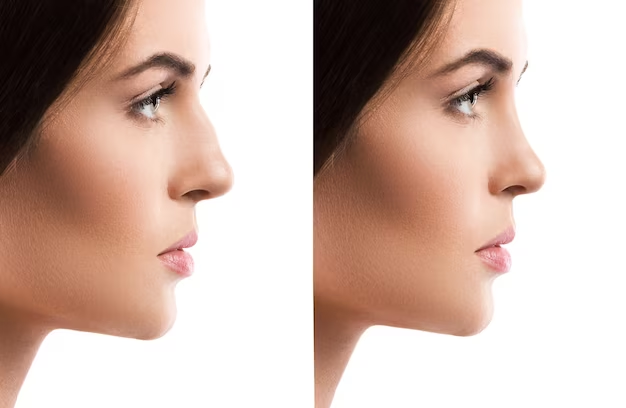
In a world where the pursuit of aesthetic perfection often takes center stage, the question of whether it’s possible to make your nose smaller without surgery is a common one. Many people inquire about methods on how to get a button nose without surgery, seeking non-invasive techniques to achieve that coveted shape. While it’s unlikely to drastically change the shape or size of your nose without surgical intervention, there are methods and tactics that can alter its appearance to some extent. These non-invasive alternatives range from makeup techniques to lifestyle adjustments, all of which can influence the perception of nose size and shape.
Introduction to Non-Surgical Nose Reshaping
When people think of changing their nose’s appearance, traditional surgical rhinoplasty often comes to mind first. However, for those hesitant about surgery, the growing interest in how to get a button nose without surgery has led to an abundance of non-surgical options. These methods are heralded for being less invasive, having a shorter recovery period, and in many cases, being more affordable. Non-surgical nose reshaping is a collective term for these varied approaches that refine the nose’s appearance without going under the knife.
Understanding the Anatomy of the Nose
Is it possible to make your nose smaller naturally? To answer this, it’s essential to understand the anatomy involved. The nasal structure is comprised of bone, cartilage, skin, and soft tissues. The upper third of the nose is bone, which is robust and not easily changeable without surgery. The lower two-thirds are made of cartilage, which is somewhat malleable. Factors that influence the nose’s size and shape include genetics, aging, and even certain medical conditions. Non-surgical approaches cater to altering the cartilaginous areas of the nose, as they lend themselves more to subtle, non-invasive reshaping.

Non-Surgical Methods to Alter Nose Appearance
There is a growing repertoire of options for those looking to alter the appearance of their noses without surgery. Here’s an overview of some methods:
- Makeup Techniques: Skillful use of makeup can create the illusion of a smaller nose. Products like contouring powders and highlighters can define and enhance or diminish features strategically. Many wonder, does lip filler make your nose look smaller? Lip filler itself doesn’t directly affect nose size, but augmenting the lips can balance facial features, which may make the nose seem smaller in comparison.
- Nose Exercises: Despite their popularity online, many of these exercises have little to no scientific backing. Some claim they can strengthen the muscles around the nose to change its shape, but these effects are minor if at all.
- Nose Shaping Devices: Marketed as a non-invasive way to achieve a more refined nose, these devices typically exert pressure on the cartilage.
- Dermal Fillers and Injectables: A temporary and less invasive option that can subtly reshape the nose by adding volume strategically is known as non-surgical rhinoplasty. Interested individuals often ask, Non surgical rhinoplasty how long does it last? Typically, the effect of these treatments can last anywhere from 6 months to 2 years, depending on the type of fillers used and individual reactions to the treatment.
Makeup Techniques
The transformative power of makeup cannot be overstated when it comes to altering perceived nose size. Contouring and highlighting play a significant role; darker shades are used to create shadows that give the illusion of depth, and lighter shades are applied to areas that one wants to bring forward or emphasize. The placement and blending of these shades can visually slim the nose. This approach, when done skillfully, can make a notable difference to one’s appearance without altering the physical structure of the nose.
The role of makeup extends beyond mere aesthetic enhancement. It’s an empowering tool that allows people the freedom to present themselves in diverse ways. However, it’s important to note that the changes are temporary and wash off with the makeup.
Nose Exercises
The internet is rife with claims of nose exercises that are rumored to reduce the size of your nose. Unfortunately, most of these claims don’t have a solid scientific foundation. The nose, largely made up of bone and cartilage, cannot be permanently reshaped through exercise. Any perceived change is likely due to temporary swelling from the manipulation. Realistically, the effect of these kinds of exercises is limited and certainly won’t lead to authentic or long-term reduction in nose size.
Nose Shaping Devices
Nose shaping devices usually come in the form of clips or other apparatuses that purportedly shape the cartilage over time. Their proponents claim that with regular use, these devices can lead to a slimmer, straighter nose. However, skeptics question the effectiveness of such methods without legitimate scientific evidence to back up these claims. It is wise to approach such devices with caution, as they come with potential risks and may not deliver on their promises.
Lifestyle Changes and Their Effects
While makeup and non-invasive procedures can mask or temporarily change the appearance of the nose, there are also lifestyle factors that can influence how we perceive our noses. For instance, weight loss can have a surprising effect on the appearance of the nose. Although the nose itself does not contain any fat cells, losing significant weight can lead to changes in the facial fat distribution, ultimately affecting the balance and proportions in the face, which can make the nose appear more prominent or more in harmony with the rest of the facial features.
Another aspect to consider is the choice of corrective glasses or sunglasses. The size, shape, and style of eyewear can alter the way your nose appears. Glasses with larger frames, for example, can make the nose seem smaller by comparison, while those with small, thin frames may have the opposite effect. Here’s how to potentially use eyewear to your advantage:
- Choose glasses that balance out your facial features.
- Opt for nose pads that lift the glasses off your nose if you want it to appear less prominent.
Psychological Perspective
The desire to alter one’s nose may often stem from psychological factors, including one’s self-image and perceived societal beauty standards. The importance of self-acceptance plays a significant role in the pursuit of changing one’s nose. While it’s natural to want to enhance our appearance, it’s equally important to cultivate self-acceptance and to appreciate the unique features that make us who we are.
The Role of Media in Shaping Beauty Standards has a substantial influence on individual desires to adhere to certain beauty trends. The proliferation of images across various media portraying the ‘ideal’ nose shape can lead to increased dissatisfaction with one’s natural nose. It’s crucial to recognize that these standards are often unrealistic and may not represent the diversity of natural beauty.
Risks and Considerations
While non-surgical methods for nose reshaping may seem appealing due to their non-invasive nature, they also come with their set of potential risks and considerations. Nose exercises and devices, for instance, may not be scientifically proven and potentially lead to disappointment or even injury if used improperly. It’s important to research thoroughly and perhaps consult with a professional before embarking on any such regimen.
Non-surgical methods for nose reshaping, such as dermal fillers or thread lifts, offer alternatives to traditional rhinoplasty. While these procedures are generally considered safe, individuals should be aware of potential risks and considerations before undergoing non-surgical nose reshaping.
1. Temporary Results: Non-surgical nose reshaping procedures provide temporary results. The effects of dermal fillers, for example, typically last several months, and maintenance treatments are required to sustain the desired appearance.
2. Limited Correction: Non-surgical methods are suitable for certain cosmetic concerns, such as smoothing out bumps or adding volume. However, they may have limitations in addressing more complex structural issues that surgical rhinoplasty can address.
3. Bruising and Swelling: Like any injectable procedure, there is a risk of bruising and swelling at the injection site. While these side effects are usually temporary, individuals should plan for possible downtime and consider this when scheduling the procedure.
4. Infection and Allergic Reactions: While rare, there is a risk of infection or allergic reactions to the materials used in non-surgical nose reshaping. It’s crucial to choose a qualified and experienced practitioner and discuss any allergies or medical conditions beforehand.
5. Expertise of the Practitioner: The success of non-surgical nose reshaping heavily relies on the skill and expertise of the practitioner. Individuals should seek out trained and licensed professionals who have experience in performing these specific procedures.
6. Patient Expectations: Managing expectations is crucial in non-surgical nose reshaping. While these methods can enhance the appearance of the nose, they may not achieve the same level of transformation as surgical rhinoplasty. Open communication with the practitioner about realistic expectations is essential.
7. Dissatisfaction and Reversibility: In some cases, individuals may be dissatisfied with the results of non-surgical nose reshaping. Unlike surgical procedures, these methods are often reversible, but the correction may require additional procedures.
Before opting for non-surgical nose reshaping, individuals should thoroughly research the procedure, choose a reputable practitioner, and have a detailed consultation to discuss their goals, expectations, and any potential risks or concerns.

When to Seek Professional Advice
If changes to the nose’s appearance are being considered, whether for aesthetic or functional reasons, it is often wise to consult a professional. Aesthetic practitioners or board-certified plastic surgeons can provide tailored advice and assess the individual’s suitability for certain treatments or suggest alternatives. They can also offer proper guidance on
Overall
When it comes to exploring how to make your nose smaller without surgery, it’s clear that there are options available, from clever makeup techniques to lifestyle adjustments and non-surgical cosmetic procedures. However, these methods vary widely in their approach, effectiveness, and duration. While they offer alternatives to traditional surgery, it is vital to weigh their potential risks and set realistic expectations about the results. Ultimately, it’s about making an informed decision that aligns with one’s personal values, aspirations, and the level of commitment to potential upkeep.
FAQs
Q1: Can you actually make your nose smaller without surgery?
A1: While you cannot change the nose’s actual size without surgery, there are non-surgical methods to alter the appearance of the nose, making it seem smaller. These include makeup techniques, lifestyle adjustments, and injectable fillers.
Q2: How long does a non-surgical rhinoplasty last?
A2: Non-surgical rhinoplasty using dermal fillers can last anywhere from 6 months to 2 years, depending on the type of filler used and individual factors like metabolism and skin elasticity.
Q3: Are there any natural ways to get a smaller nose?
A3: There are no natural methods that can physically reduce the size of the nose; however, some people believe that consistent nose exercises can yield minor changes. Keep in mind that these methods are not scientifically proven.
Q4: Do nose shapers really work?
A4: Nose shapers are not supported by solid scientific evidence, and while some users report temporary changes, there is no guarantee of permanent reshaping. It’s best to consult with a medical professional before using these devices.
Q5: Does the way I wear my glasses affect how my nose looks?
A5: Yes, the style and fit of your glasses can impact how your nose appears. Frames that suit your face shape and size can enhance your features, including the perceived size of your nose.