How long does it take to repair skin barrier

Our skin is often compared to armor or a protective shield, safeguarding our body from the myriad of environmental aggressors it confronts daily. Have you ever stopped to wonder about the scientific intricacies behind this protective mechanism? Beneath the surface, there lies a crucial component known as the skin barrier. When it’s functioning optimally, we often take it for granted. However, once it’s compromised, a myriad of skin issues can arise, bringing to light the paramount importance of this barrier. The repair and maintenance of this protective layer are essential not only for the skin’s health but also for our overall well-being.
What is the Skin Barrier?
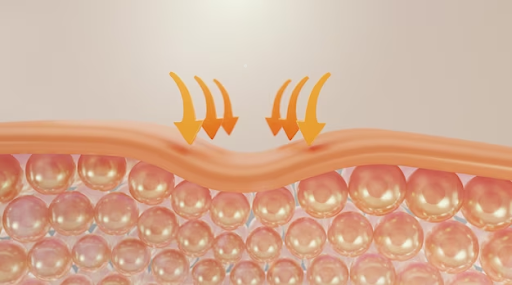
The skin barrier, often referred to as the lipid barrier or moisture barrier, is the outermost layer of our skin’s surface. Imagine it as the walls of a fortress. It is composed primarily of lipids (fats) and cells that serve as a protective layer. This layer has the critical task of ensuring that essential water and electrolytes don’t evaporate from our body while simultaneously blocking harmful substances, pollutants, and microorganisms from entering. It’s like the security system of our body’s largest organ, allowing beneficial entities to pass through while barring the entry of potential threats.
Why is the Skin Barrier Vital?
A healthy skin barrier maintains hydration, elasticity, and a radiant appearance. Think of it as a well-oiled door hinge; when it’s properly maintained, the door swings effortlessly, but neglect it, and you’ll be met with a creaky, resistant movement. Similarly, a compromised skin barrier can lead to dryness, irritation, increased sensitivity, and can make one more susceptible to conditions like eczema and acne. Moreover, this barrier acts as our first line of defense against harmful UV rays, pollutants, and bacteria. So, in essence, when the skin barrier is damaged or weakened, it’s akin to leaving the gates of a fortress wide open, making it vulnerable to invasions.
Factors Impacting Skin Barrier Repair Time
| Factor | Description | Implications for Repair Time |
|---|---|---|
| Age and Skin Health | As we age, the skin’s natural ability to regenerate diminishes. Older skin has fewer ceramides, cholesterol, and fatty acids, which are essential components of the skin barrier. | Aging can lead to a slower repair process. The overall health of one’s skin – whether it’s regularly moisturized, protected from the sun, etc., can also influence the speed of repair. |
| Environmental Factors | Elements like harsh weather conditions, UV exposure, and pollutants can weaken the skin barrier. Cold winds and low humidity can strip the skin of its natural moisture. | Areas with extreme environmental conditions might require longer repair times. Daily exposure to harmful factors can exacerbate damage, slowing down the natural healing process. |
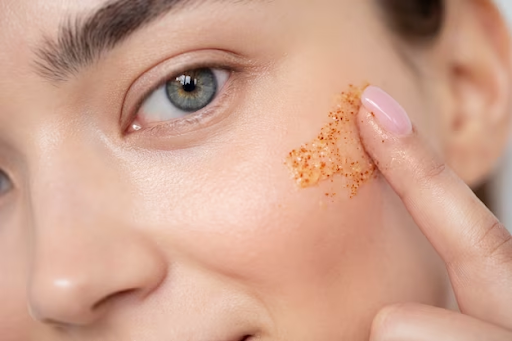
| Skincare Routine and Products | Over-exfoliation, using products with harsh chemicals, or neglecting moisturization can compromise the skin barrier. Not all products suit every skin type, and reactions can cause further damage. | Consistent misuse or overuse of products can prolong repair. On the flip side, adopting a balanced skincare routine tailored to one’s skin type can expedite the barrier’s healing process. |
Steps to Accelerate Skin Barrier Repair
The skin barrier, being our first line of defense, has an innate ability to heal itself. Yet, in an age where we’re bombarded by an array of skincare products and varying environmental factors, speeding up the repair process might need a little more intentional effort. Here are ways to promote faster skin barrier repair:
- Proper Cleansing Techniques:
- Gentleness is Key: Always use lukewarm water, as hot water can strip away the skin’s natural oils. Apply cleanser with gentle, circular motions using your fingertips.
- Double Cleansing: For those who wear makeup or heavy sunscreen, consider the double cleanse method. Start with an oil-based cleanser to break down the products, followed by a water-based cleanser to cleanse the skin.
- Pat Dry: After cleansing, gently pat your face dry with a soft towel. Avoid rubbing, as it can cause unnecessary friction and irritation.
- Hydration and Moisturization:
- Layering: Apply products from thinnest to thickest consistency. Start with toners or essences and follow up with serums and creams.
- Key Ingredients: Look for products containing hyaluronic acid, ceramides, and fatty acids. These ingredients mimic the skin’s natural components and help restore the barrier.
- Frequency: Ensure you’re moisturizing both morning and night. If you’re in a particularly dry environment, consider additional applications throughout the day.
- Sun Protection:
- Daily SPF: Even on cloudy days or during winter months, UV rays can damage the skin. Opt for a broad-spectrum SPF of at least 30.
- Reapplication: If you’re outdoors, reapply sunscreen every two hours or immediately after sweating or swimming.
- Physical Barriers: Hats, sunglasses, and protective clothing can further reduce sun exposure, especially during peak UV times.
When to Seek Professional Help
While at-home care and being proactive with your skincare routine can make a significant difference, there are times when consulting with a professional becomes paramount. If you notice that your skin isn’t improving despite your efforts, it may be time to seek advice. Dermatologists and estheticians can offer specialized treatments, advice on suitable products, and insights into any underlying issues that might be causing prolonged damage.
In a nutshell: The Resilient Nature of Our Skin
It’s awe-inspiring to think of the skin’s adaptive and resilient nature. Every day, it stands as a barrier, protecting us from the world’s elements, all while having the incredible ability to heal and renew itself. The road to skin barrier repair might be a journey, but with the right tools, knowledge, and a dash of patience, radiant, healthy skin is achievable. Remember, every skin type is unique, and while general guidelines are beneficial, it’s essential to listen to your skin’s individual needs and respond accordingly.
FAQs
- How can I determine if my skin barrier is damaged?
While individual experiences vary, common signs include persistent dryness, increased sensitivity, redness, and unexpected breakouts. It’s always best to consult with a dermatologist if you’re unsure. - Do I need to avoid makeup when my skin barrier is compromised?
While makeup itself isn’t harmful, it’s wise to give your skin a break when it’s healing. If you must wear makeup, opt for non-comedogenic and hypoallergenic products. - How long does it typically take to repair a damaged skin barrier?
Depending on the severity of the damage and the care provided, most people observe improvements within two to four weeks. However, complete restoration can take longer. - Are there any foods that can help boost skin barrier repair?
Absolutely! Foods rich in omega-3 fatty acids, like fish, walnuts, and flaxseeds, can help. Additionally, ensure you’re getting ample vitamins and minerals, especially Vitamin C, E, and zinc. - Can I still exfoliate when trying to repair my skin barrier?
It’s advisable to avoid physical exfoliants and strong chemical exfoliants during the healing phase. Once your skin feels healthier, reintroduce mild exfoliants gradually.